Freshwater Shrimp for Sale: Key Dietary Insights and Nutrition Tips
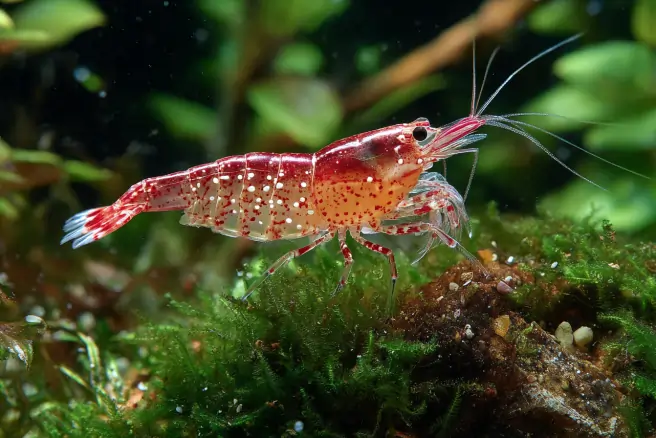
Freshwater shrimp are fascinating creatures that require a balanced diet to thrive. A proper understanding of their nutritional needs is essential to maintain their health, vibrant colors, and overall well-being. This section outlines the key dietary components and feeding practices necessary for freshwater shrimp in aquariums.
Essential Components of a Balanced Diet
- Proteins: Vital for growth and development. Proteins can be sourced from specialized shrimp pellets or natural foods like earthworms or insect larvae.
- Vitamins and Minerals: Crucial for immunity, molting, and shell formation. These nutrients can often be obtained through plant matter or high-quality commercial feeds enriched with minerals such as calcium.
- Algae and Biofilm: A staple for many freshwater shrimp species. Algae provide not only food but also an enrichment activity as the shrimp forage throughout the tank.
- Carbohydrates: Although required in smaller quantities, they play an important role in providing energy to active shrimp species. Vegetables such as spinach or zucchini are excellent sources of healthy carbohydrates.
Ideal Foods for Freshwater Shrimp
| Food Type | Example | Benefits | Feeding Frequency |
| Natural Plant Matter | Indian almond leaves, spinach | Rich in minerals; aids digestion | 2-3 times per week |
| Algae | Tank-grown algae | Primary nutrient source | Continuous access |
| Commercial Shrimp Feed | Specialized pellets or wafers | Balanced nutrition; easy feeding | Daily |
| Protein Supplement | Blanched peas, bloodworms | Boosts growth | Weekly |
https://splashyfishstore.com/collections/freshwater-shrimp-for-sale/
Feeding Best Practices
- Feed Small Quantities: Overfeeding can lead to water quality issues due to uneaten food decomposing in the tank.
- Observe Behavior: Only provide enough food that your shrimp can consume within 2–3 hours.
- Rotate Food Types: Regularly switch between different types of foods (e.g., algae, plant matter, protein-based feeds) to ensure dietary diversity.
- Avoid Harmful Ingredients: Stay away from foods containing copper sulfate or other harmful additives that may negatively affect your shrimp’s health.
Nutritional Adjustments During Molting
- Increase calcium-rich foods like cuttlebone shavings or spinach to support new shell formation.
- Reduce stress by keeping water parameters stable as fluctuating conditions can make molting more difficult.
By understanding the dietary insights discussed here, you can create an environment where freshwater shrimp remain healthy and active while showcasing their vibrant appearance in your aquarium setting.
Aquarium Shrimp: Top Three Algae-Eating Champions for Freshwater Tanks
Algae is an inevitable part of any freshwater aquarium ecosystem, and while it serves certain ecological functions, excessive growth can disrupt the balance and aesthetics of your aquarium. Algae-eating shrimp are exceptional natural cleaners that help control algae levels while adding charm to your tank. Let’s explore the top three algae-eating shrimp species that are most effective and sought-after by aquarists.
1. Amano Shrimp (Caridina multidentata)
Amano shrimp are among the most popular algae eaters due to their efficiency and adaptability. These shrimp thrive in a variety of water conditions and are widely recognized for their ability to consume stubborn algae types.
Key Traits: – Size: Typically grow up to 2 inches. – Tank Size Requirements: Minimum 10 gallons. – Dietary Preferences: – Hair algae – String algae – Uneaten fish food – Behavior: Peaceful, making them excellent tank mates for other non-aggressive species.
2. Cherry Shrimp (Neocaridina davidi)
Cherry shrimp are renowned for their vibrant red coloration, but they also contribute significantly as algae eaters in freshwater aquariums. While their preferences lean towards softer biofilm and certain types of algae, they can still make an impact on maintaining a clean environment.
Key Traits: – Size: Around 1–1.5 inches. – Tank Size Requirements: Minimum 5 gallons. – Dietary Preferences: – Green spot algae – Biofilm on surfaces – Decaying plant matter – Behavior: Hardy and adaptable; excellent for beginner aquarists.
Note: Cherry shrimp come in various color morphs (blue, yellow, orange), but red is the most common variety.
3. Bamboo Shrimp (Atyopsis moluccensis)
Unlike Amano or cherry shrimp, bamboo shrimp rely on filter feeding to collect small particles suspended in the water column. Although not traditional “algae grazers,” they indirectly contribute to water cleanliness by reducing excess organic debris that feeds algal blooms.
Key Traits: – Size: Up to 3–4 inches (larger than most freshwater shrimp species). – Tank Size Requirements: Minimum 20 gallons with a strong water flow. – Dietary Preferences: – Microscopic plankton – Fine detritus – Supplemental powdered foods (in low-flow tanks) – Behavior: Fascinating filter feeders that use fan-like appendages to capture food particles in flowing water.
Where to Find Live Shrimp for Sale and Algae-Eating Shrimp Compared
| Species | Maximum Size | Minimum Tank Size | Primary Diet | Temperament |
| Amano Shrimp | Up to 2″ | 10 gallons | Hair/string algae | Peaceful |
| Cherry Shrimp | Up to 1.5″ | 5 gallons | Green spot algae | Hardy |
| Bamboo Shrimp | Up to 4″ | 20 gallons | Micro-particles | Gentle giants |
Essential Tips for Keeping Neocaridina Shrimp Healthy
- Maintain stable water parameters:
- pH levels between 6.5–7.8 (species-specific adjustments may apply).
- Temperatures ranging from 70–78°F.
- Provide hiding places such as plants or rocks for security during molting periods.
- Avoid using copper-based medications, as copper is toxic to all shrimp species.
- Offer supplemental food if natural resources become scarce:
- Blanched vegetables (e.g., zucchini or spinach)
- Specialized sinking pellets designed for shrimps.
Each of these remarkable species brings unique strengths when it comes to managing unwanted algae growth in freshwater tanks while enhancing biodiversity and visual appeal within the aquarium ecosystem.
How Indian Almond Leaves Benefit Caridina Shrimp in Freshwater Aquariums
Indian almond leaves, also known as catappa leaves, serve as a vital resource for maintaining healthy freshwater shrimp aquariums. These natural additions to shrimp tanks provide multiple benefits, ranging from water conditioning to nutritional support. Below is a detailed overview of why Indian almond leaves are indispensable for freshwater shrimp enthusiasts.
Key Benefits of Indian Almond Leaves
- Indian almond leaves release tannins into the water, which lower pH levels and create slightly acidic conditions preferred by many freshwater shrimp species.
- The tannins also have antibacterial and antifungal properties that help protect shrimp against infections.
- As the leaves break down in the aquarium, they provide hiding places for shy or juvenile shrimp.
- The structure of decomposing leaves mimics natural environments, reducing stress levels among shrimp.
- Microorganisms such as biofilm and fungi grow on decomposing almond leaves, serving as an excellent supplementary food source for freshwater shrimp.
- Certain leaf compounds may also contain trace nutrients beneficial to their health.
- Adding Indian almond leaves lends a naturalistic appearance to aquariums.
- They contribute to a more balanced ecosystem by encouraging biodiversity within the tank.
How to Use Indian Almond Leaves in Shrimp Tanks
- Rinse the almond leaves thoroughly with clean water before introducing them to the tank.
- Add 1-2 leaves per 10 gallons of water or adjust based on your tank size and pH requirements.
- Monitor their decomposition rate; replace old or fully decayed leaves every 3-4 weeks.
Comparison of Benefits vs Other Natural Substrates
| Feature | Indian Almond Leaves | Banana Leaves | Oak Leaves |
| Tannin Release | High | Moderate | Low |
| Antibacterial Properties | Strong | Moderate | Weak |
| Biofilm Growth Support | Excellent | Good | Moderate |
| Decomposition Rate | Slow-Medium | Medium | Medium-Fast |
Indian almond leaves outperform many other natural substrates due to their robust range of benefits and slower decomposition process.
Tips for Maximizing Effectiveness
- Combine Indian almond leaves with other botanicals like cholla wood or alder cones for enhanced biofilm production.
- Avoid overcrowding your aquarium with excessive leaf litter; this could result in deteriorating water quality if not managed properly.
- Select high-quality, pesticide-free dried almond leaves from reputable sources.
By incorporating Indian almond leaves into your freshwater aquarium care routine, you not only promote the well-being of your shrimp but also create a closer replica of their natural habitats. Their multifunctional properties make them an invaluable tool in maintaining healthy and thriving aquatic environments.
Understanding Dwarf Shrimp Digestive Systems and Their Unique Functionality
Dwarf shrimp, often adored for their vibrant colors and active behavior, have fascinating and specialized digestive systems that allow them to thrive in freshwater ecosystems. Understanding how their digestive systems function can help shrimp keepers optimize their care routines, ensuring the health and longevity of these delicate creatures.
Anatomy of the Digestive System
- Mouthparts: Equipped with mandibles for breaking down food into smaller pieces before ingestion.
- Esophagus: A short tube that transports food from the mouth to the stomach.
- Stomach (Cardiac and Pyloric Regions): The cardiac stomach grinds food particles mechanically using a gastric mill, while the pyloric region filters digested material.
- Hepatopancreas: Functions similarly to a liver-pancreas combination in other animals, producing enzymes necessary for digestion while also storing nutrients. This organ plays a central role in nutrient absorption and metabolism.
- Intestine: A narrow tube responsible for further digestion and absorption of nutrients before waste is expelled through the anus located beneath the telson.
Unique Traits of Dwarf Shrimp Digestion
- Continuous Feeding Behavior
Dwarf shrimp constantly graze on biofilm, algae, and detritus within their environment. Their digestive system supports this behavior by processing small amounts of food continuously rather than requiring large meals at specific intervals like many fish species do. - Gastric Mill Adaptation
The gastric mill within their cardiac stomach allows efficient breakdown of tough plant material or uneaten fish food, offering them versatility in their diet. - High Efficiency with Nutrient Absorption
With limited storage capacity in their hepatopancreas, dwarf shrimp require nutrient-rich diets supplemented by natural biofilm growth or specialized shrimp foods to maintain energy levels.
Dietary Considerations for Healthy Digestion
- Natural Grazing Opportunities: Promote biofilm growth by allowing surfaces like driftwood or rocks to establish algae colonies naturally.
- Supplemental Feeding: Offer high-quality commercial shrimp pellets or powders containing spirulina, vegetables (zucchini or spinach), and protein sources like krill or fishmeal.
- Leaf Litter Addition: Leaves such as Indian almond leaves not only improve water quality but also provide microbial growth consumed during grazing.
- Avoid Overfeeding: Remove uneaten food promptly to prevent water contamination since dwarf shrimp are sensitive to poor water conditions.
| Component | Function |
| Mouthparts | Break down food into smaller pieces |
| Hepatopancreas | Produces enzymes; stores nutrients |
| Gastric Mill | Mechanically grinds tough food material |
| Intestine | Absorbs nutrients; expels waste |
Observing Digestive Health
- Active grazing suggests healthy feeding habits.
- Pale coloration or lethargy may signal malnutrition or poor diet.
- Visible undigested fragments in waste could indicate inadequate grinding by the gastric mill.
By understanding these unique aspects of dwarf shrimp digestion, aquarists can create an environment conducive to both health and vitality for these aquatic creatures.
How to Enhance the Vibrancy of Red Freshwater Shrimp Through Proper Care
Maintaining the vibrant coloration of red freshwater shrimp, such as Cherry Shrimp and Red Crystal Shrimp, is a key goal for many aquarists. Their bright hues not only indicate good health but also contribute to the aesthetic appeal of a freshwater aquarium. To ensure their colors remain striking, several factors must be addressed, including diet, water quality, tank setup, and general care.
1. Optimize Diet for Color Enhancement
Nutrition plays an essential role in enhancing and maintaining the vibrancy of red freshwater shrimp. A balanced and high-quality diet can significantly influence their coloration.
- Astaxanthin: A carotenoid that boosts red pigmentation.
- Beta-Carotene: Converts into Vitamin A and supports color enhancement.
- Spirulina: A blue-green algae rich in carotenoids.
- Essential Vitamins & Minerals: Promote overall health and accentuate natural colors.
- Commercial shrimp pellets enriched with astaxanthin.
- Blanched vegetables (e.g., spinach, zucchini).
- Algae wafers specifically formulated for shrimp.
- Natural protein sources like bloodworms or daphnia (in moderation).
2. Maintain Optimal Water Quality
Water quality is critical to prevent stress in red freshwater shrimp, which can dull their coloration over time. Poor water conditions often lead to faded or less vibrant colors.
| Parameter | Ideal Range |
| Temperature | 72–78°F (22–26°C) |
| pH Level | 6.5–8.0 |
| Ammonia & Nitrite | Undetectable (0 ppm) |
| Nitrate | <20 ppm |
| General Hardness (GH) | ~4–8 dGH |
- Perform regular water changes (about 10%-20% weekly).
- Use a high-quality filtration system to minimize toxins.
3. Provide an Enriching Tank Environment
The physical environment of your aquarium plays a significant role in promoting healthy pigmentation in red freshwater shrimp.
- Add live plants like Java Moss or Anubias that provide natural grazing surfaces and hiding spots.
- Include dark-colored substrates to contrast with the shrimp’s vibrant reds and make their coloration more visually pronounced.
- Avoid stress-inducing tankmates such as aggressive fish species.
4. Reduce Stress Levels
- Ensure adequate hiding spaces using driftwood or caves.
- Keep tank disturbances low by maintaining consistent light cycles and avoiding sudden movements.
- Avoid overcrowding the aquarium; maintain appropriate stocking levels to give each shrimp sufficient space.
Final Thoughts on Care Practices
By focusing on proper nutrition, consistent water parameters, thoughtful tank design, and reducing stressors within the environment, you can enhance and maintain the brilliant red hues of your freshwater shrimp. These practices not only contribute to their beauty but also ensure they stay healthy and thrive in your aquarium ecosystem.
- Freshwater Shrimp for Sale: Key Dietary Insights and Nutrition Tips
- Top Reasons to Buy Freshwater Shrimp for Sale and Start Your Aquarium
- Expert Tips for Setting Up a Freshwater Aquarium with Live Shrimp for Sale
- Freshwater Shrimp for Sale: What They Eat in Their Natural Habitat and Aquariums
- Complete Guide to Aquarium Shrimp and Hatching Baby Brine Shrimp for Freshwater Tanks
- Essential Facts About Neocaridina Shrimp and How They Differ from Caridina in Freshwater Aquariums
- Freshwater Shrimp for Sale: Cherry Shrimp Neocaridina and Care Guide
- Top Aquarium Shrimp Tank Mates and Tips for Choosing Compatible Species
Top Reasons to Buy Freshwater Shrimp for Sale and Start Your Aquarium

Freshwater shrimp aquariums have been gaining popularity among aquarium enthusiasts and beginners alike. Their unique characteristics, low maintenance requirements, and ecological benefits make them an excellent choice for anyone looking to start a new aquatic hobby. Below are some compelling reasons why starting a freshwater shrimp aquarium can be a rewarding experience.
Low Maintenance Setup
Freshwater shrimp are relatively easy to care for compared to other aquatic creatures, making them an ideal choice for beginners. Key reasons include:
– Minimal Space Requirements: A small tank (5–10 gallons) is sufficient, which saves space and reduces setup costs.
– Low Bioload: Shrimp produce less waste than fish, meaning the water stays cleaner for longer periods with proper filtration.
– Simple Feeding Needs: They thrive on algae, biofilm, and specialized shrimp pellets, which are economical and widely available.
Visual Appeal
Freshwater shrimp add vibrant colors and movement to your aquarium. Popular species like the Red Cherry Shrimp or Crystal Red Shrimp bring bright reds, blues, or even translucent patterns that complement any aquascape design.
- Popular Species Examples: | Species Name | Coloration | Ideal Tank Size | |———————-|————————-|—————–| | Red Cherry Shrimp | Bright red | 5+ gallons | | Amano Shrimp | Translucent with dots | 10+ gallons | | Blue Velvet Shrimp | Deep blue | 5+ gallons |
Their small size also makes them perfect for nano tanks or as companions in planted tanks.
Natural Tank Cleaners
Freshwater shrimp serve as natural janitors in your aquarium by consuming algae growths, uneaten food, and organic debris. This reduces the workload required to keep your tank looking clean and healthy.
Benefits of adding these natural cleaners include:
– Improved water clarity over time.
– Prevention of harmful algae overgrowths on plants and décor.
Educational Experience
Shrimp aquariums provide an opportunity to learn about aquatic ecosystems in a controlled environment. Observing how they interact with plants, substrate, or other tank inhabitants can be fascinating and educational for both children and adults.
Some behaviors worth observing include:
– Grazing on biofilm along surfaces using their delicate appendages. – Molting (shedding of exoskeleton), which signals growth or environmental adjustments. – Social interactions within their group when kept in colonies.
Cost-Effective Hobby
Unlike larger fish tanks requiring extensive equipment like heaters or expensive lighting systems, most freshwater shrimp species thrive at room temperature with basic LED lights—keeping operational costs low while still being visually appealing.
Starting a freshwater shrimp aquarium offers numerous advantages that cater specifically to beginners interested in exploring the world of aquatics. With minimal investment of time and resources alongside opportunities for learning about sustainable ecosystems, it’s an excellent venture into the hobby of fishkeeping without overwhelming complexity.
The Benefits of Keeping Aquarium Shrimp in Your Freshwater Tank
Freshwater shrimp are an increasingly popular addition to aquariums, and for good reason. These small, fascinating creatures offer a wide range of benefits, both practical and aesthetic, to aquarium enthusiasts. Whether you’re a beginner or an experienced aquarist, here are some key advantages to consider when adding freshwater shrimp to your aquatic environment.
1. Natural Tank Cleaners
One of the most notable benefits of keeping freshwater shrimp is their ability to act as natural tank cleaners. They help maintain water quality and reduce waste accumulation through the following activities:
– Algae Control: Shrimp such as Amano shrimp are highly effective at consuming algae, helping to prevent its overgrowth.
– Debris Removal: These creatures feed on leftover food particles and organic debris that can settle on the substrate.
– Breaking Down Biofilm: Freshwater shrimp consume biofilm—a layer of bacteria and fungi that can develop on surfaces within the tank—keeping your aquarium cleaner overall.
By contributing to the ecosystem’s self-maintenance, they help reduce manual cleaning efforts for aquarists.
2. Aesthetic Appeal
Freshwater shrimp come in a wide variety of colors and patterns that add visual interest to any aquarium setup. Among the most popular species are:
– Cherry Shrimp (Neocaridina davidi): Known for their bright red hues, these shrimp bring striking color contrasts to planted tanks.
– Crystal Red Shrimp (Caridina cantonensis): Valued for their intricate red-and-white-striped patterns, they add sophistication to any display.
– Blue Dream Shrimp: Their deep blue coloring creates a dramatic visual element in aquascapes.
Adding these vibrant species enhances the overall beauty and diversity of your tank.
3. Minimal Space Requirements
Unlike larger fish species or certain marine inhabitants, freshwater shrimp thrive in smaller environments. Many species only require modest tank sizes (often starting at 5 gallons), making them ideal for hobbyists with limited space or those seeking low-maintenance aquatic options.
| Shrimp Species | Minimum Tank Size | Ideal Water Parameters |
| Cherry Shrimp | 5 gallons | pH: 6.5–7.5; Temp: 68–78°F |
| Amano Shrimp | 10 gallons | pH: 6.0–7.0; Temp: 70–80°F |
| Crystal Red Shrimp | 10 gallons | pH: 6.2–6.8; Temp: 68–74°F |
4. Low Maintenance Requirements
Freshwater shrimp are relatively easy to care for compared to many other aquarium inhabitants: – Require fewer feedings as they forage within the tank. – Adapt well in community tanks with peaceful tankmates. – Thrive when provided with stable water conditions and proper filtration.
Their low-maintenance nature makes them an excellent choice for beginners exploring aquatic hobbies.
5. Educational Value
Observing freshwater shrimp provides unique insight into underwater ecosystems: – They display fascinating behaviors such as scavenging, molting, and filter-feeding. – Watching their interactions with other species offers educational opportunities about symbiotic relationships within ecosystems. For families or classrooms incorporating live animals into learning environments, freshwater shrimp serve as intriguing subjects of study.
Freshwater shrimp not only elevate an aquarium’s appearance but also play a functional role in maintaining its health and cleanliness while requiring minimal upkeep—a combination that makes them an exceptional addition for aquarists at all levels of experience.
Tips for Maintaining a Healthy Tank When You Have Live Shrimp for Sale
Creating an optimal environment for freshwater shrimp is essential to their health, longevity, and vibrant behavior. Whether you are a beginner or an experienced aquarist, paying close attention to water quality, habitat design, and dietary needs will ensure your shrimp thrive in their aquatic home.
Key Water Parameters
- Temperature: Maintain a consistent range of 70-80°F (21-27°C) depending on the shrimp species.
- pH Levels: Aim for a pH level between 6.5 and 8.0 for most species.
- Ammonia & Nitrite: Both should remain at 0 ppm as even small amounts can harm or kill shrimp.
- Nitrate Levels: Ideally, keep nitrates below 20 ppm.
- GH (General Hardness): A range of 4–8 dGH is suitable for most freshwater shrimp like Neocaridina or Caridina species.
- KH (Carbonate Hardness): Maintain levels between 1–4 KH to promote healthy molting.
Regular water testing using reliable test kits is recommended to track these parameters accurately.
Substrate Selection
- Fine-grain substrates: Sand or fine gravel allows shrimp to forage easily.
- Specialized substrates: For Caridina species like Crystal Red Shrimp, use substrates that lower pH and support their soft-water requirements.
Substrates can also aid in plant growth if you plan on incorporating live aquatic plants into your tank.
Planting and Aquascaping
Freshwater shrimp thrive in well-planted tanks as they provide hiding spots and surfaces for biofilm growth, which serves as a natural food source.
Some popular plants for freshwater shrimp tanks include:
– Java Moss
– Anubias
– Duckweed
– Marimo Moss Balls
– Cryptocoryne
Adding driftwood or rocks can further enhance the environment while offering additional surfaces for algae and biofilm buildup.
Filtration System
Shrimp are delicate creatures that require gentle water flow. Opt for filters with sponge attachments as they prevent young shrimp from being sucked into filter intakes. Sponge filters are highly recommended because they not only keep the flow gentle but also create surfaces where beneficial bacteria grow.
Lighting Needs
Moderate lighting works well in a freshwater shrimp tank. Too much light may encourage excessive algae growth while too little can affect plant health. Ensure a balanced light cycle of 8–10 hours daily for optimal results.
Diet and Supplementation
Foods ideal for freshwater shrimp include: – Algae wafers – Blanched vegetables like zucchini or spinach – Specialized pellet food made specifically for shrimp – Protein-based treats like frozen brine shrimp (fed sparingly)
Additionally, calcium-rich supplements support proper shell development during molting cycles.
| Recommended Foods | Frequency |
| Algae Wafers | Daily |
| Blanched Vegetables | 2–3 times weekly |
| Protein Treats | Once weekly |
Maintaining Tank Cleanliness
A clean tank reduces stress on your freshwater shrimp population: 1. Perform weekly partial water changes (10–20%).
2. Remove uneaten food within 2–3 hours of feeding to prevent ammonia spikes.
3. Vacuum any debris from the substrate during maintenance routines without disturbing live plants or decorations.
By carefully managing these factors, you can establish a thriving ecosystem where your freshwater shrimp will flourish effortlessly over time.

Essential Tips for Choosing Healthy Neocaridina Shrimp for Your Aquarium
Selecting healthy freshwater shrimp is one of the most critical steps in ensuring a thriving and vibrant aquarium. Paying attention to their physical condition, behavior, and overall compatibility can make a significant difference in your aquarium’s success. Below are some essential tips to guide you through this process.
Observe Their Physical Appearance
When choosing freshwater shrimp, their physical health is a key indicator of whether they will thrive in your tank. Here are a few things to look for:
– Coloration: Vibrant and consistent colors are often signs of healthy shrimp. Dull or faded colors could indicate stress or poor health.
– Shell Condition: Check for smooth, intact exoskeletons without cracks, discolorations, or deformities. Damaged shells may be signs of past injuries or molting issues.
– Legs and Antennae: Ensure all legs and antennae are intact and functioning properly. Missing parts might hinder their ability to navigate or find food.
Monitor Their Behavior
Active and responsive behavior is another vital factor when selecting shrimp for your tank:
– Swimming Activity: Healthy freshwater shrimp should move around with purpose rather than remaining lethargic or stationary for extended periods.
– Feeding Habits: Observe whether they actively forage for food in the aquarium store’s tank; this is an excellent indicator of health.
– Group Interactions: Shrimp often exhibit social behaviors, so avoid individuals showing signs of isolation or aggression toward others.
Purchase from Reputable Sources
The quality of the seller plays a major role in the health of the shrimp you purchase:
1. Specialized Breeders: Look for breeders who specialize in freshwater shrimp as they are likely to maintain higher standards of care compared to general pet stores.
2. Established Stores: If buying from an aquarium store, choose one with positive reviews and knowledgeable staff willing to answer questions about care routines and water conditions. 3. Online Retailers: For online purchases, check customer reviews, shipping policies, and guarantees before committing.
Assess Tank Conditions Before Buying
Inspecting the environment where the shrimp are currently housed provides additional clues about their potential health: – Clean water with no visible debris or algae overgrowth. – Tankmates should be compatible species that do not harm or outcompete the shrimp. – Appropriate water parameters such as temperature, pH levels, and hardness.
| Parameter | Ideal Range |
| Temperature | 72–78°F (22–26°C) |
| pH Levels | 6.5–7.5 |
| Water Hardness | 4–8 dKH |
Avoid Sickly Individuals
Steer clear of any freshwater shrimp showing these warning signs: – Cloudy patches on their body (could indicate bacterial infections). – Erratic swimming patterns (may suggest stress or illness). – Visible parasites attached to their body.
Taking time to carefully evaluate potential additions ensures that your freshwater shrimp will integrate seamlessly into your aquarium environment while maintaining optimal health long-term.
Understanding the Behavior and Unique Traits of Caridina Shrimp
Freshwater shrimp are intriguing creatures that bring life and personality to any aquarium. Their behaviors and unique characteristics make them not only a joy to watch but also essential contributors to aquatic ecosystems. Let’s explore some of their fascinating traits and habits.
Social Behaviors
- Group Living: Most species thrive when kept in small groups of five or more.
- Peaceful Nature: They coexist well with other peaceful tankmates like small fish, snails, or even other shrimp species.
- Cleaning Behavior: Some freshwater shrimp display cleaning habits where they remove debris from tankmates’ shells or scales.
Feeding Habits
| Food Type | Description | Examples |
| Algae | Primary source of nutrients for many species | Biofilm, green algae patches |
| Prepared Foods | Supplements for a balanced diet | Shrimp pellets, blanched veggies |
| Detritus | Organic matter found naturally in aquariums | Fish waste, plant debris |
Watching them graze on surfaces for biofilm is not only entertaining but also highlights their value as natural tank cleaners.
Molting Process
One fascinating characteristic of freshwater shrimp is their molting process. As they grow, shrimp shed their exoskeletons periodically to allow for new growth.
Key points about molting: – Frequency: Younger shrimp molt more often than adults due to faster growth rates. – Behavior During Molting: Shrimp often hide during this vulnerable stage to avoid predation. – Molted Shells: These exoskeletons provide important nutrients if left in the tank and consumed by the shrimp.
Providing sufficient hiding spaces such as plants or caves helps ensure safety during molting periods.
Unique Physical Traits
Freshwater shrimp possess physical features that aid both survival and interaction within their environment: – Antennae: These long sensory organs help them detect changes in water quality or locate food sources. – Walking Legs (Pereiopods): Used for walking on substrate and picking up food particles. – Swimmerets: Located under their tail section (abdomen), these appendages assist with swimming and carrying eggs in females.
Their transparent or brightly colored bodies also make them visually appealing while acting as camouflage against predators.
Reproductive Behavior
The reproductive cycle of freshwater shrimp is captivating: – Females carry eggs under their abdomen until they hatch. – Males fertilize these eggs externally after courtship rituals involving chemical signals released into the water.
Providing stable water parameters encourages breeding behaviors among healthy populations.
Observing freshwater shrimp’s behaviors adds an element of excitement to any aquarium setup while offering insight into how these small yet complex creatures thrive in aquatic ecosystems.
Why Freshwater Shrimp are a Great Addition to Aquatic Ecosystems
Freshwater shrimp are not only captivating to observe but also play a vital role in maintaining the balance and health of aquatic ecosystems. Their unique characteristics, ecological contributions, and compatibility with other aquatic species make them a valuable addition to any freshwater environment.
Natural Ecosystem Cleaners
One of the key benefits of having freshwater shrimp in an aquatic ecosystem is their role as natural cleaners. They actively feed on debris, leftover food, biofilm, and decaying plant material, which helps maintain water quality. This reduces the buildup of organic waste and minimizes the risk of harmful ammonia or nitrate spikes. Some specific behaviors include:
– Algae control: Shrimp species such as Amano shrimp consume algae from plants, rocks, glass surfaces, and decorations, keeping aquariums clean without harsh chemicals.
– Detritus removal: Freshwater shrimp scavenge for uneaten fish food or decaying matter that would otherwise decompose in the tank.
By performing these tasks naturally, freshwater shrimp can reduce the need for frequent water changes and manual cleaning efforts.
Promoting Biodiversity
Introducing shrimp into an aquatic ecosystem promotes biodiversity by adding another layer of interest and function to the habitat. Their presence supports species interactions while complementing other organisms like fish and snails. Key points regarding their compatibility include:
– Non-aggressive nature: Most freshwater shrimp species are peaceful and thrive alongside small fish or other non-predatory tank inhabitants.
– Supporting plant health: Shrimp aerate substrate while scavenging for food, which indirectly benefits rooted plants by improving nutrient availability around their roots.
Enhancing Aesthetic Appeal
Freshwater shrimp come in various sizes, colors, and patterns that can enhance the visual appeal of any aquarium or pond setting. Popular varieties include:
| Species | Appearance | Primary Benefit |
|—————-|————————————-|——————————–|
| Cherry Shrimp | Bright red coloration | Easy to care for; algae eater |
| Amano Shrimp | Translucent body with subtle markings | Excellent algae control |
| Crystal Shrimp | Red-and-white banded patterns | Visually striking |
Their constant movement as they forage creates dynamic visual interest while offering opportunities for observation.
Contribution to Sustainability
Freshwater shrimp contribute positively to sustainability efforts by being low-impact additions to aquariums that require minimal resources. They consume natural waste products within their environment instead of relying on processed feeds alone.
By incorporating freshwater shrimp into aquatic ecosystems—whether in home tanks or larger settings—hobbyists can enjoy both functional benefits and aesthetic beauty while supporting environmental balance within the microhabitats they create.
- Freshwater Shrimp for Sale: Key Dietary Insights and Nutrition Tips
- Top Reasons to Buy Freshwater Shrimp for Sale and Start Your Aquarium
- Expert Tips for Setting Up a Freshwater Aquarium with Live Shrimp for Sale
- Freshwater Shrimp for Sale: What They Eat in Their Natural Habitat and Aquariums
- Complete Guide to Aquarium Shrimp and Hatching Baby Brine Shrimp for Freshwater Tanks
- Essential Facts About Neocaridina Shrimp and How They Differ from Caridina in Freshwater Aquariums
- Freshwater Shrimp for Sale: Cherry Shrimp Neocaridina and Care Guide
- Top Aquarium Shrimp Tank Mates and Tips for Choosing Compatible Species
Expert Tips for Setting Up a Freshwater Aquarium with Live Shrimp for Sale

Setting up an aquarium for freshwater shrimp requires careful planning and attention to detail. Creating a healthy, thriving habitat for these fascinating creatures involves considerations related to tank size, water quality, substrate, plants, and more. Below are some expert tips and advice to help you establish the ideal environment for your freshwater shrimp.
Selecting the Right Tank Size
- Shrimp Population: Choose a tank that is appropriate for the number of shrimp you plan to keep. A 5-10 gallon tank is suitable for small colonies, while larger groups may require a 20-gallon or bigger aquarium.
- Space Requirements: Shrimp are active creatures that appreciate space to roam and forage. Overcrowding can lead to stress and poor health outcomes.
Water Parameters
Maintaining stable water quality is critical for the health of freshwater shrimp:
| Parameter | Ideal Range | Notes | |——————–|—————————————–|—————————————–| | Temperature | 72°F – 78°F (22°C – 26°C) | Use an adjustable heater if necessary. | | pH Level | 6.5 – 7.5 | Avoid sudden pH fluctuations. | | Ammonia & Nitrites | 0 ppm | Toxic levels can be fatal to shrimp. | | Nitrates | Below 20 ppm | Regular water changes help maintain it.|
- Use high-quality test kits to monitor these parameters regularly.
- Consider using reverse osmosis (RO) water combined with a remineralizer if your tap water is unsuitable.
Substrate Selection
The substrate in your aquarium serves multiple purposes: it provides a surface for beneficial bacteria growth and creates an optimal environment for shrimp behavior like scavenging and molting. 1. Sand or fine gravel: Provides a soft surface that mimics their natural habitat. 2. Specialized substrates: Products like ADA Aqua Soil are particularly suited for planted tanks with shrimp as they stabilize pH levels. 3. Dark substrates: These can enhance shrimp coloration, making them more visually striking.
Plants and Decorations
Adding live plants creates a more natural environment while offering hiding spots and surfaces where biofilm (a key food source) can grow: – Recommended Plants: – Java Moss – Anubias – Cryptocoryne – Hornwort – Decorations: – Driftwood – Rocks – Ceramic hides or caves
Plants also improve water quality by filtering toxins like nitrates.
Filtration Systems
A reliable filtration system is essential but should not create strong currents that stress shrimp: – Sponge filters are highly recommended as they provide gentle filtration without the risk of harming baby shrimp. – Ensure filters have guards or sponges over intake valves to prevent small shrimp from being sucked in.
Lighting Considerations
Freshwater shrimp do not require intense lighting; moderate light levels are sufficient: – Use LED lights that support plant growth but avoid excessive brightness as it might encourage algae overgrowth. – Keep lights on for approximately eight hours per day.
Regular Maintenance Tips
Maintaining cleanliness in your aquarium promotes long-term health: 1. Perform weekly partial water changes (10%-20%) without disturbing the substrate too much. 2. Remove uneaten food within a few hours to prevent ammonia spikes. 3. Clean algae from tank walls using an algae scraper or magnet cleaner.
By following these tips, you’ll create a balanced aquatic environment where freshwater shrimp can thrive while enhancing the beauty of your aquarium space effectively.
Where to Find Freshwater Shrimp for Sale and Create Their Perfect Habitat
Creating an ideal environment for freshwater shrimp is essential to ensure their health, longevity, and vibrant coloration. A well-maintained habitat mimics their natural ecosystem and provides them with a stress-free environment conducive to breeding and active behavior. Below are practical tips and expert advice for setting up the perfect freshwater shrimp habitat.
Choosing the Perfect Aquarium Size for Neocaridina Shrimp
Freshwater shrimp thrive in tanks that provide them with ample space to move around and explore.
– Recommended Tank Size: A minimum of 10 gallons is ideal, although smaller species like cherry shrimp can thrive in nano tanks of 5 gallons or more.
– Larger tanks allow better water stability, which is crucial for sensitive species.
| Tank Size | Recommended Shrimp Population | Additional Notes |
| 5 gallons | Up to 10 small shrimp | Ideal for beginners; requires frequent cleaning. |
| 10 gallons | Up to 20 small/medium shrimp | Easier to maintain water parameters. |
| 20+ gallons | Over 30 shrimp | Perfect for breeding colonies or mixed species. |
Essential Water Parameters for Caridina Shrimp
Maintaining proper water quality is vital as shrimp are sensitive to fluctuations in certain parameters:
– Temperature: Keep between 68°F – 78°F (20°C – 25°C), depending on the species. – pH Levels: Most freshwater shrimp thrive in a pH range between 1.1 – 1.1. – Ammonia, Nitrites, and Nitrates: – Ammonia and nitrites should be at 0 ppm. – Nitrates should be kept below 20 ppm, as high levels can stress or harm your shrimp.
A reliable water testing kit is essential for regular monitoring.
3. Choosing Substrate
The substrate plays a critical role in creating a natural environment and supporting biological filtration:
– Fine-grained gravel or sand is suitable for most species.
– Active substrates designed for freshwater aquariums can help regulate pH levels, making them ideal for delicate varieties like Crystal Red Shrimp.
4. Plants and Decorations
Shrimp benefit from planted aquariums as they provide shelter, biofilm (a food source), and improve overall water quality:
– Recommended plants: – Java Moss – Anubias – Marimo Moss Balls – Bucephalandra – Include driftwood and stones that enhance natural aesthetics while offering additional hiding spots.
5. Filtration Systems
Freshwater shrimp require clean yet gentle filtration systems as they are small creatures prone to being sucked into strong filter intakes:
– Sponge filters are highly recommended due to their gentle flow. – Hang-on-back (HOB) filters can also work if equipped with a sponge pre-filter over the intake tube.
Ensure adequate oxygenation by adding an air stone or using filters that promote surface agitation.
Quick Tips for Long-Term Success
- Perform weekly partial water changes of about 10–20% to maintain stable conditions.
- Avoid copper-based aquarium medications or fertilizers as copper is toxic to most freshwater shrimp.
- Feed a balanced diet including specialized shrimp pellets, blanched vegetables (e.g., zucchini), and occasional protein sources like algae wafers or boiled eggshells (for calcium).
- Introduce tank mates carefully—peaceful fish like neon tetras or otocinclus catfish are good options, but avoid predatory species like bettas or larger cichlids.
By following these guidelines, you can create a thriving habitat where your freshwater shrimp not only survive but truly flourish in a comfortable environment tailored to their needs.
Essential Guide to Creating the Perfect Habitat for Freshwater Shrimp
Creating the perfect habitat for freshwater shrimp is essential for their health, activity, and longevity. These delicate creatures thrive in well-maintained aquariums that imitate their natural environment. Below is a detailed guide to help you design an ideal space for your shrimp.
Tank Size and Type
- Recommended tank size: A minimum of 5 gallons is ideal for small shrimp colonies. Larger tanks are better as they allow more stability in water parameters.
- Shape considerations: Rectangular tanks are preferred as they provide ample horizontal swimming and grazing space.
| Tank Size | Recommended Shrimp Count | Notes |
| 5 gallons | Up to 10 shrimp | Ideal for beginners |
| 10 gallons | 20-30 shrimp | Stable water conditions |
| 20+ gallons | Larger colonies | Ideal for advanced setups |
Substrate Selection
- Fine-grain substrates: Encourage natural burrowing behavior and protect delicate appendages.
- Nutrient-rich substrates: If you’re planting live aquatic plants, consider substrates that release nutrients like aquasoil.
- Dark-colored options: Enhance the visibility of shrimp and create a natural aesthetic.
Water Parameters
- Temperature Range: Between 72–78°F (22–26°C).
- pH Levels: Slightly acidic to neutral pH (6.5–7.5).
- General Hardness (GH): 4-8 dGH
- Carbonate Hardness (KH): 1-4 dKH
- Ammonia/Nitrite Levels: Always at 0 ppm. Even small traces can harm or kill shrimp.
Regular monitoring using test kits helps maintain these parameters effectively.
Filtration and Aeration
- Use sponge filters as they provide gentle water flow while preventing accidental suction of juvenile shrimp.
- Ensure adequate surface agitation or use air stones to improve oxygen exchange without causing stress.
Plants and Decorations
Recommended Plants:
- Java Moss: Perfect hiding spots for baby shrimp.
- Anubias and Java Ferns: Easy-to-maintain plants that thrive in low light.
- Marimo Moss Balls: Aid in algae control while providing grazing material.
Decoration Suggestions:
- Driftwood: Releases beneficial tannins while mimicking natural habitats.
- Rocks with crevices: Offer hiding spaces during molting periods.
Lighting Requirements
- Use dim LED lights with adjustable brightness settings.
- Limit lighting periods to around 6–8 hours daily.
Key Maintenance Tips
- Perform weekly water changes of about 10–20% using dechlorinated water.
- Avoid introducing copper-based chemicals as copper is toxic to shrimp.
- Feed sparingly with high-quality pellets or blanched vegetables to prevent overfeeding and ammonia spikes.
By carefully following these guidelines, you can create an optimal habitat where freshwater shrimp will not only survive but thrive gracefully in your aquarium setup.

Innovative LED MiniBow Kits Featuring SmartClean Technology for Aquariums
Innovative LED MiniBow kits with SmartClean technology have emerged as a game-changer in the world of aquariums, especially for freshwater shrimp enthusiasts. These compact, efficient systems provide a modern solution for maintaining small aquariums while meeting the specific needs of freshwater shrimp. Below, we discuss the features, benefits, and practical aspects of using these kits to create an ideal habitat.
Key Features of LED MiniBow Kits with SmartClean Technology
- Compact Design: Ideal for small spaces such as desktops or countertops.
- SmartClean Technology: A built-in system that facilitates quick water changes in under two minutes.
- Energy-Efficient LEDs: Bright and long-lasting lighting that promotes plant growth without raising water temperature excessively.
- Seamless Integration: Comes equipped with a filtration system that ensures clean and healthy water conditions.
Why Choose LED MiniBow Kits for Freshwater Shrimp?
- Ease of Maintenance: The SmartClean feature reduces the time spent on routine cleaning tasks.
- Optimal Lighting Conditions: Energy-efficient LED systems replicate natural light cycles, improving shrimp activity and coloration.
- Space Optimization: Their compact size is perfect for hobbyists who want to keep shrimp in smaller spaces without compromising functionality.
Tips for Setting Up an Aquarium Using an LED MiniBow Kit
- Use soft substrates such as sand or fine gravel to mimic natural habitats.
- Include live plants like Java Moss or Anubias which provide hiding spots and improve water quality.
- Ensure the filtration unit is securely set up per manufacturer guidelines.
- Monitor flow rates to prevent stress on shrimp caused by strong currents.
- Allow your aquarium to cycle before introducing shrimp to establish beneficial bacteria.
- Avoid sharp edges that could harm delicate shrimp bodies.
- Add caves or driftwood to promote natural behavior.
- Maintain Stable Parameters | Parameter | Recommended Range | |—————-|——————-| | Temperature | 72–78°F (22–26°C) | | pH | 6.5–7.5 | | Ammonia | 0 ppm | | Nitrate Levels | <20 ppm |
Popular Models of LED MiniBow Kits
- Aqueon® 2.5 Gallon LED MiniBow Kit
- GloFish® Desktop Aquarium Kit (with blue LEDs)
- Fluval® Spec V Aquarium Kit (compact design with customizable filtration)
Each model incorporates user-friendly features while offering varying sizes suitable for freshwater shrimp colonies.
Using an innovative LED MiniBow kit equipped with SmartClean technology simplifies aquarium care while providing optimal living conditions for freshwater shrimp. By selecting suitable accessories, maintaining proper parameters, and following best practices during setup, aquarists can create thriving aquatic habitats effortlessly.
Choosing the Best Products for Your Aquarium Shrimp Setup
Selecting the right products for your freshwater shrimp aquarium is critical to ensuring a healthy and thriving environment for your shrimp. Each component, from water conditioners to décor, plays a role in replicating their natural habitat and maintaining water quality. Below is a detailed guide on how to choose the best products for your shrimp tank.
Key Factors to Consider
- Water Quality: Shrimp are highly sensitive to poor water conditions. A reliable filtration system, water conditioners, and test kits are essential.
- Tank Size: The size of your shrimp population will dictate the tank dimensions. Overcrowding can lead to stress and poor health.
- Substrate Choice: The right substrate is crucial for maintaining proper pH levels and providing a surface where biofilm (a key food source) can develop.
- Safe Décor Options: Always select decorations that are free of harmful chemicals or sharp edges that might injure delicate shrimp.
- Lighting Requirements: Low to moderate lighting is typically preferred for planted tanks housing freshwater shrimp.
Recommended Products
| Product Category | Key Features | Recommended Options |
| Filtration Systems | Gentle flow rate; sponge filters preferred | Sponge filters or HOB (hang-on-back) |
| Water Conditioners | Removes chlorine, chloramine & heavy metals | Seachem Prime or API Tap Water Conditioner |
| Substrates | pH buffering; supports plant growth | ADA Amazonia Aquasoil or Fluval Stratum |
| Lighting Systems | Adjustable intensity; energy efficient | NICREW ClassicLED or Finnex Planted+ |
| Temperate Control | Maintains steady temperature | Cobalt Neo-Therm Heater |
Filtration Systems
Shrimp require pristine water conditions to thrive. Sponge filters are highly recommended due to their gentle flow rate, which won’t harm small and delicate creatures like baby shrimp. Additionally, sponge filters provide an excellent surface area for beneficial bacteria colonization.
Some aquarists also opt for hang-on-back (HOB) filters with adjustable flow rates. However, make sure you add a sponge pre-filter over the intake tube to prevent tiny shrimp from being sucked into the filter.
Substrate Selection
The substrate plays a dual role in supporting aquatic plants and regulating water chemistry. Shrimp species such as Crystal Red Shrimp prefer slightly acidic conditions, making substrates like ADA Amazonia Aquasoil ideal due to its buffering capacity. For general-purpose setups, Fluval Stratum is another popular choice that encourages healthy biofilm growth—a vital food source.
Additional Tips
- Avoid plastic décor that may leach harmful chemicals into the water over time.
- Prioritize live plants like Java Moss or Anubias as they create hiding spots and foster microbe growth.
- Invest in quality thermometers and heaters capable of maintaining stable temperatures within the range suitable for your specific species.
By carefully selecting appropriate products tailored to the needs of freshwater shrimp, you will provide them with an environment conducive to healthy growth and reproduction while preventing common stress-related issues.
How to Choose the Best Products for Your Freshwater Shrimp Aquarium
Setting up and maintaining a freshwater shrimp aquarium requires careful consideration of the products you use. Selecting the right equipment not only ensures a healthy environment for your shrimp but also enhances the aesthetic appeal of your aquarium. Below is a comprehensive guide to help you choose the best products for your freshwater shrimp tank.
1. Filtration System
- Sponge Filters: Ideal for shrimp tanks as they provide gentle filtration without harming delicate shrimp or their fry.
- Hang-On-Back (HOB) Filters: Suitable for larger tanks, though intake sponges are recommended to prevent shrimp from being sucked in.
- Canister Filters: Best for heavily planted aquariums due to their high capacity and efficiency.
2. Substrate Choices
Selecting the right substrate is crucial, as it impacts water chemistry and provides a surface for biofilm growth — an important food source for shrimp.
- Active Substrates: These substrates help buffer pH and lower water hardness, making them suitable for species like Crystal Red Shrimp.
- Inert Substrates: Neutral substrates such as sand or fine gravel work well with Neocaridina species that prefer stable parameters.
| Substrate Type | Best For | Key Features |
| Active Substrate | Caridina species | Adjusts pH and hardness |
| Inert Substrate | Neocaridina species | Neutral impact on water parameters |
3. Aquarium Lighting
Proper lighting is essential not only for aesthetics but also for supporting plant growth in planted shrimp aquariums.
- Opt for LED lights designed specifically for aquariums; they are energy-efficient and customizable.
- Ensure a light spectrum that promotes plant growth (e.g., full-spectrum lighting).
4. Water Conditioners
Use high-quality water conditioners to eliminate harmful substances like chlorine, chloramine, and heavy metals from tap water before introducing it into your tank.
Recommended types: – Dechlorinators – Ammonia detoxifiers
5. Food Options
- Specialized Shrimp Pellets: Formulated with essential nutrients like algae, spirulina, and proteins.
- Blanched Vegetables: Zucchini, spinach, or kale can serve as occasional treats.
- Biofilm Enhancers: Encourage natural grazing by fostering biofilm growth within the tank.
6. Decorations and Hiding Spots
- Driftwood
- Rock caves
- Live plants such as Java Moss or Anubias
These elements not only enhance visual appeal but also promote natural behaviors.
By carefully choosing each product based on its compatibility with freshwater shrimp needs, you can create an ideal habitat that supports health and longevity while showcasing their beauty in your aquarium setup.
- Freshwater Shrimp for Sale: Key Dietary Insights and Nutrition Tips
- Top Reasons to Buy Freshwater Shrimp for Sale and Start Your Aquarium
- Expert Tips for Setting Up a Freshwater Aquarium with Live Shrimp for Sale
- Freshwater Shrimp for Sale: What They Eat in Their Natural Habitat and Aquariums
- Complete Guide to Aquarium Shrimp and Hatching Baby Brine Shrimp for Freshwater Tanks
- Essential Facts About Neocaridina Shrimp and How They Differ from Caridina in Freshwater Aquariums
- Freshwater Shrimp for Sale: Cherry Shrimp Neocaridina and Care Guide
- Top Aquarium Shrimp Tank Mates and Tips for Choosing Compatible Species
Freshwater Shrimp for Sale: What They Eat in Their Natural Habitat and Aquariums

Freshwater shrimp are fascinating creatures with diverse dietary habits that vary depending on their natural habitat or aquarium environment. Understanding what they eat is essential for maintaining their health, ensuring proper nutrition, and replicating their natural ecosystem in captivity.
Diet in the Natural Habitat
- Biofilm: A mix of algae, bacteria, fungi, and detritus that forms on underwater surfaces such as rocks and plants.
- Decaying plant matter: Dead leaves and vegetation provide key nutrients.
- Microscopic organisms: Shrimp consume plankton and tiny aquatic microorganisms found in their environment.
- Insects & larvae: Small insects or insect larvae that drift through the water serve as an occasional protein source.
These natural food options ensure a balanced diet rich in carbohydrates, proteins, fats, vitamins, and minerals.
Diet in Aquariums
- Pellets or granules specifically formulated for freshwater shrimp contain essential nutrients and are widely available.
- Look for products high in proteins with added vitamins to support growth and molting.
- Freshwater shrimp enjoy blanched vegetables such as zucchini slices, spinach leaves, kale, or peas. These provide necessary fiber and micronutrients.
- Algae wafers mimic biofilm found in the wild and are excellent for bottom-dwelling species like Amano or Cherry Shrimp.
- DIY recipes using ingredients like spirulina powder or cooked pumpkin can supplement commercial diets effectively.
- Encourage biofilm formation within the tank by adding driftwood or live plants—it’s one of the most accessible food sources for aquarium shrimp.
Feeding Tips
- Avoid overfeeding to prevent water-quality issues caused by uneaten food decomposing.
- Rotate different types of food to promote a varied diet akin to what they experience naturally.
- Provide live plants—they shed organic material that serves as a steady nutrient source while helping maintain water quality.
| Type of Food | Nutritional Benefit | Example Options |
| Biofilm | Protein & essential microbes | Naturally grown on surfaces |
| Vegetables | Fiber & vitamins | Zucchini slices; spinach |
| Algae Wafers | Carbs & trace elements | Commercial algae-based foods |
| Insects/Larvae | Protein boost | Freeze-dried bloodworms |
By understanding what freshwater shrimp eat both naturally and within aquariums—along with providing proper dietary diversity—you can create an environment that supports their overall well-being while preserving their unique behaviors.
Best Characteristics of High-Quality Food for Aquarium Shrimp
Providing high-quality food is essential for maintaining the health, growth, and vibrant coloration of freshwater shrimp. When choosing food for these fascinating creatures, there are several important factors to consider to ensure their nutritional needs are met effectively.
Attributes of High-Quality Shrimp Food
- Contains essential proteins, fats, carbohydrates, vitamins, and minerals.
- Includes necessary micronutrients like calcium and magnesium to support exoskeleton development during molting.
- Composed primarily of natural or organic ingredients without harmful additives or artificial preservatives.
- Free from fillers that offer no nutritional benefit.
- Designed with shrimp’s digestive systems in mind to reduce waste production in the aquarium.
- Formulated to appeal to shrimp through their natural feeding behaviors and preferences, such as algae-based components or biofilm enhancers.
- Maintains its structure in water over time so shrimp can graze at their own pace without polluting the tank.
Types of Quality Foods Ideal for Freshwater Shrimp
- Commercial Shrimp Pellets and Wafers: These are nutrient-dense foods specifically formulated for freshwater shrimp.
- High-protein pellets support growth.
- Algae-based wafers encourage grazing behavior.
- Blanched Vegetables: Safe options include spinach, zucchini, kale, and cucumber.
- Provide fiber and essential vitamins.
- Must be softened through blanching before adding to the tank.
- Biofilm Promoters: Biofilm is a natural food source in aquariums that forms on surfaces like driftwood or rocks.
- Adding leaves such as Indian almond leaves encourages biofilm growth while also releasing beneficial tannins into the water.
- Algae-Based Foods: Algae powders or spirulina tablets mimic natural dietary sources found in freshwater ecosystems.
| Food Type | Benefits | Notes |
| Commercial Pellets/Wafers | Balanced nutrients; easy feeding | Choose high-quality brands free from fillers |
| Blanched Vegetables | Source of vitamins and fiber | Avoid overfeeding; remove uneaten portions |
| Biofilm | Natural diet component | Promotes grazing behavior |
| Algae-Based Foods | Rich in protein; replicates wild diet | Ideal as a supplement |
Key Considerations When Feeding
To maintain optimal tank health while ensuring proper nutrition: – Avoid overfeeding as leftover food can decompose and compromise water quality. – Rotate between different food sources to provide variety and prevent dietary deficiencies. – Select species-specific foods if caring for specialized shrimp breeds (e.g., crystal red shrimp).
By focusing on these characteristics when selecting food options, you can promote healthy growth, reproduction rates, and overall vitality among your freshwater shrimp population.
Key Features of High-Quality Shrimp Food
- Rich in Essential Nutrients
Freshwater shrimp require a balanced diet containing proteins, fats, carbohydrates, vitamins, and minerals. The food should meet these nutritional requirements to support their overall health: - Proteins: Necessary for tissue repair and growth.
- Fats: A source of energy and support for cellular functions.
- Calcium & Magnesium: Supports exoskeleton development during molting.
- Vitamins A & D: Aid in proper growth and immune function.
- Contains Natural Ingredients
Food made from natural sources such as algae, spirulina, plant matter, or even fish meal is typically more digestible and healthier for shrimp compared to artificial additives. - Low in Fillers or Artificial Additives
Avoid foods with excessive fillers like wheat or corn meal; they offer little nutritional value. Artificial preservatives or dyes can harm shrimp or destabilize water parameters. - Water Stability
High-quality shrimp food retains its structure when submerged without breaking down quickly, preventing water pollution and ensuring that the shrimp have ample time to consume it. - Small Particle Size or Specialized Formats
Since freshwater shrimp are small creatures with tiny appendages used for feeding: - Pellets designed for bottom-feeders work well.
- Powdered foods are ideal for juvenile shrimp.
- Algae wafers provide an excellent grazing surface.
Comparison of Key Characteristics
| Feature | Importance | Examples |
| Protein Content | Supports tissue repair & molting | Fish meal, insect meal |
| Algae-Based Ingredients | Mimics natural diet | Spirulina, chlorella |
| Water Stability | Prevents water quality issues | Sinking pellets with slow breakdown |
| Absence of Artificial Fillers | Reduces risk of health problems | Additive-free formulations |
Indicators of Poor-Quality Food
It’s equally important to identify low-quality products that could harm your freshwater shrimp:
– Cloudy water after feeding indicates poor water stability. – Foods with excessive artificial coloring can impact aquarium chemistry. – Low nutrient density means your shrimp may need more frequent feedings without receiving adequate nourishment.
By prioritizing high-quality options that align with the natural dietary preferences of freshwater shrimp, aquarists can ensure their pets thrive in a balanced ecosystem while minimizing maintenance challenges related to poor nutrition or deteriorating water conditions.
Feeding Neocaridina shrimp: How often to ensure optimal health in your freshwater aquarium
Feeding your freshwater shrimp appropriately is critical to their overall health and well-being. Overfeeding or underfeeding can lead to various problems, including poor water quality, stress, and even health complications in your shrimp. Below is a detailed guide on how often you should feed your freshwater aquarium shrimp and the factors that may influence feeding frequency.
General Feeding Guidelines
- Feed Small Amounts
Shrimp have small stomachs and low food requirements compared to other aquatic species. Feed them only as much as they can consume in 2-3 hours. - Adult shrimp: Feed once daily or every other day.
- Juveniles: Require more energy for growth, so feeding them twice daily in smaller portions is ideal.
- In tanks with a high shrimp population, more frequent feedings may be necessary to ensure all individuals receive adequate nutrition.
- In sparsely populated tanks, feeding less frequently prevents leftover food from accumulating.
Important Notes:
- Avoid leaving uneaten food in the tank for extended periods as it can decay and degrade water quality.
- Observe your shrimp’s behavior; if they are actively grazing on biofilm or algae between feedings, it’s a sign you’re feeding the right amount.
Factors Influencing Feeding Frequency
- If your tank has plenty of biofilm, algae, or decomposing plant matter (natural food sources), supplemental feeding can be reduced.
- Some species like Amano shrimp consume larger quantities of algae and detritus, meaning they may require less supplemental feeding compared to decorative species like Red Cherry Shrimp.
- In mature tanks with established ecosystems (biofilm/algae), supplemental feeds can be spaced out more than in newer tanks lacking these natural nutrients.
- At higher temperatures, metabolic rates increase, requiring slightly more frequent feeding due to increased activity levels.
Feeding Schedule Example
| Shrimp Life Stage | Frequency | Portion Size | Notes |
| Juveniles | 2 times/day | Small pinch per session | Focus on protein-rich foods |
| Adults | 1 time/day | As much as they consume in 2-3 hours | Ensure variety for balanced diet |
| Low Population Tank | Every other day | Minimal amounts | Reduce risk of overfeeding |
Tips to Avoid Overfeeding
Overfeeding is a common issue in aquarium care that leads to several problems: – Excess waste production – Water pollution causing ammonia spikes – Growth of harmful bacteria due to decaying organic matter
- Use sinking pellets that dissolve slowly so they remain accessible for longer periods.
- Remove uneaten food after a few hours using a siphon or net.
- Monitor water parameters regularly (ammonia/nitrite levels) to detect any issues caused by overfeeding.
By following these guidelines tailored to your specific tank conditions and observing your shrimp’s behavior closely, you’ll create an environment where they thrive both nutritionally and physically.

Feeding tips for Caridina shrimp to ensure optimal health in your freshwater aquarium
Feeding freshwater aquarium shrimp requires a balance between providing enough nutrients for their health and ensuring you do not overfeed, which can lead to water quality issues. Understanding the feeding frequency and portion sizes will help maintain a healthy environment and promote the well-being of your shrimp.
Factors That Affect Feeding Frequency
- Species of Shrimp: Different species may have varying dietary needs. For example, Neocaridina species like cherry shrimp are less demanding compared to larger species such as Amano shrimp.
- Age and Size: Juvenile or smaller shrimp require more frequent feeding compared to adults, as they are in their growth phase.
- Presence of Natural Food Sources: In aquariums with algae growth or biofilm, supplemental feeding can be reduced since these serve as natural food sources.
- Tank Population Density: In tanks with high numbers of shrimp, additional food may be required to ensure all individuals get adequate nutrition.
Recommended Feeding Schedule
| Feeding Frequency | Situation/Condition |
| Daily | Shrimp-only tanks or stable aquariums with limited natural food sources |
| Every Other Day | Tanks with abundant algae or biofilm |
| Twice Daily | Juvenile shrimp requiring rapid growth |
Signs of Overfeeding and Underfeeding
It’s essential to observe your tank closely to identify if you’re overfeeding or underfeeding.
- Uneaten food accumulating at the bottom.
- Poor water quality (cloudiness or foul odors).
- Increased appearance of pests like planaria or hydra.
- Shrimp appearing lethargic or less active.
- Stunted growth in juveniles.
- Shrimp excessively scavenging around the tank.
To avoid these issues, it’s best to give small portions of food that can be consumed within two hours. If excess food remains after this period, remove it promptly using a net or siphon tool.
Tips for Optimal Feeding Practices
- Diversify the Diet: Provide a mix of high-quality commercial foods (shrimp pellets or wafers) along with occasional fresh vegetables like spinach or zucchini slices. This ensures balanced nutrition.
- Monitor Tank Conditions Regularly: Maintain clean water by testing parameters frequently. Overfeeding contributes to ammonia spikes and poor water quality.
- A feeding dish can help prevent uneaten food from spreading across the substrate.
- Long tweezers make it easier to place small quantities directly in designated areas.
By following an appropriate feeding routine tailored to your specific setup, you’ll support healthy growth and activity levels among your freshwater aquarium shrimp while maintaining a clean and thriving aquatic environment.
Exploring the Best Food Options for Freshwater Shrimp in Aquariums
Selecting the best food for freshwater shrimp is essential to ensure their health, vibrant coloration, and overall well-being in a controlled aquarium environment. Since these crustaceans have unique dietary needs compared to other aquatic organisms, providing a well-rounded and species-appropriate diet can make a significant difference. Below, we explore some of the most suitable food options for freshwater shrimp in aquariums.
1. Prepared Commercial Foods
- Contain high-quality ingredients such as algae, plant matter, and proteins.
- Are fortified with essential vitamins and minerals like calcium (for exoskeleton development) and carotenoids (to enhance coloration).
- Are designed in sinking pellet or wafer form to ensure they reach shrimp at the bottom of the tank.
Some popular types of commercial foods for freshwater shrimp include: | Food Type | Key Features | Benefits | |—————–|————————————————|—————————————-| | Shrimp Pellets | Sinking pellets fortified with nutrients | Easy to consume; reduces food waste | | Algae Wafers | Algae-based sinking discs | High in plant-based nutrition | | Shrimp Sticks | Compressed sticks enriched with proteins | Promotes growth and vitality |
2. Natural Foods Found in Aquariums
- Biofilm: A thin layer of microorganisms that forms on surfaces within aquariums.
- Decaying Plant Matter: Decomposing leaves from live plants like Indian almond leaves or catappa leaves.
- Algae: Common green algae that grow on aquarium decorations or glass.
These natural options not only provide nutrition but also replicate aspects of their diet found in their natural habitat.
3. Blanched Vegetables
- Zucchini slices
- Spinach
- Kale
- Carrots
To prepare blanched vegetables: 1. Slice the vegetable into small portions. 2. Boil them briefly (1–2 minutes) until softened. 3. Cool them down before adding them to the tank.
Remove uneaten vegetables after 24 hours to maintain water quality.
4. Protein-Rich Snacks (Occasional Treats)
- Frozen or Freeze-Dried Foods: Bloodworms, brine shrimp, or daphnia are excellent options when fed sparingly.
- Boiled Egg Yolk: A high-protein treat that should be given sparingly due to its potential to cloud water when overfed.
Protein treats should generally comprise no more than 10%–20% of their total diet.
Feeding Considerations
When exploring food options for aquarium shrimp: – Rotate different types of food to provide variety and prevent nutritional deficiencies. – Avoid overfeeding as leftover food can decay quickly, impacting water quality.
By introducing diverse yet appropriate foods into your freshwater aquarium setup, you can mimic natural behaviors while ensuring optimal health outcomes for your aquatic pets.
Essential nutrients to look for in food tailored to freshwater shrimp
Providing freshwater shrimp with a diet rich in essential nutrients is critical for their health, growth, and vibrant coloration. Whether they reside in their natural habitat or an aquarium, these tiny crustaceans thrive when their nutritional needs are met. Below is an exploration of the key nutrients freshwater shrimp require and why they are vital.
Key Nutrients for Freshwater Shrimp
- Proteins are crucial for the growth and tissue repair of shrimp. They are particularly important during molting periods when shrimp shed their exoskeletons and form new ones.
- Spirulina
- Soybean meal
- Fish meal
- Decaying organic matter (natural environments)
- Small amounts of healthy fats contribute to energy production and enhance reproduction in breeding species.
- Algae
- Fish oil-based feeds
- Calcium supports the formation of strong exoskeletons, which are regularly replaced during molting.
- Mineral-rich substrates
- Cuttlebone (when added to aquariums)
- Vitamins
Shrimp require a variety of vitamins for overall health:
| Vitamin | Importance | Source | |—————|——————————————–|——————| | Vitamin D | Helps calcium absorption for shell growth | Fortified feeds | | Vitamin A | Supports vision and reproduction | Algae | | Vitamin E | Acts as an antioxidant | Plant-based foods| - Carbohydrates
Carbohydrates provide energy but should only be offered in moderation as shrimp have limited ability to process them efficiently. - Trace minerals
Minerals like potassium, magnesium, and zinc are essential in small amounts to maintain proper metabolic functions.
Benefits of a Well-Balanced Diet
Feeding your freshwater shrimp a nutrient-rich diet results in several benefits: – Enhanced coloration: Nutrients like carotenoids help intensify natural pigmentation. – Faster molting cycles: Calcium ensures strong exoskeleton development post-molt. – Increased survival rates: Proper nutrition strengthens immune systems. – Improved breeding success: Lipids, vitamins, and proteins play a role in successful reproduction.
Tips for Selecting Food for Freshwater Shrimp
To ensure you’re providing optimal nutrition: – Look for commercially available foods labeled specifically for freshwater shrimp containing natural ingredients such as algae or vegetable matter. – Supplement with blanched vegetables like spinach or zucchini to provide additional vitamins and fiber.
By focusing on the key nutrients above, you can create an ideal environment where your shrimp population thrives naturally while exhibiting vibrant colors and robust health.
- Freshwater Shrimp for Sale: Key Dietary Insights and Nutrition Tips
- Top Reasons to Buy Freshwater Shrimp for Sale and Start Your Aquarium
- Expert Tips for Setting Up a Freshwater Aquarium with Live Shrimp for Sale
- Freshwater Shrimp for Sale: What They Eat in Their Natural Habitat and Aquariums
- Complete Guide to Aquarium Shrimp and Hatching Baby Brine Shrimp for Freshwater Tanks
- Essential Facts About Neocaridina Shrimp and How They Differ from Caridina in Freshwater Aquariums
- Freshwater Shrimp for Sale: Cherry Shrimp Neocaridina and Care Guide
- Top Aquarium Shrimp Tank Mates and Tips for Choosing Compatible Species
Complete Guide to Aquarium Shrimp and Hatching Baby Brine Shrimp for Freshwater Tanks

Hatching baby brine shrimp (Artemia nauplii) is a simple yet highly effective way to provide nutritious live food for freshwater aquarium inhabitants. Known for their high protein content and easy digestibility, baby brine shrimp are an excellent choice for feeding fry, small fish, and even some adult species. This guide provides step-by-step instructions and expert tips to ensure a successful hatch.
Why Hatch Baby Brine Shrimp?
- Nutritional Value: Rich in proteins, lipids, and essential amino acids, they support growth and vitality in fish.
- Palatability: Their movement in water stimulates the natural hunting instincts of many aquatic species.
- Convenience: Brine shrimp eggs (cysts) are affordable and have a long shelf life when stored properly.
By hatching them at home, aquarists can provide fresh live food on demand while maintaining control over quality.
Materials Needed for Live Shrimp for Sale for Hatching
| Item | Purpose |
| Brine shrimp eggs (cysts) | Source of baby brine shrimp |
| Hatchery container | Vessel to incubate eggs; can be a plastic or glass bottle |
| Non-iodized salt | Creates saline water suitable for hatching |
| Dechlorinated water | Water free from chlorine or chloramines |
| Air pump | Provides aeration to keep cysts suspended and oxygenated |
| Airline tubing | Connects air pump to hatchery container |
| Light source | Necessary as light triggers cyst hatching |
| Thermometer | Monitors temperature for optimal conditions |
Step-by-Step Process
- Use a clean bottle or container with a narrow bottom (such as an inverted soda bottle).
- Fill it with dechlorinated water up to about 80% of its capacity.
- Mix approximately 1 tablespoon of non-iodized salt per liter of water. Stir until completely dissolved to create saline conditions similar to natural seawater.
- Connect the air pump to airline tubing and insert it into the container.
- Adjust airflow so that water circulates vigorously without splashing.
- Add 1/4 teaspoon of brine shrimp cysts per liter of water. More cysts can be added based on feeding needs.
- Position a light directly above or near the container. Continuous illumination helps trigger hatching within 18–36 hours.
- Maintain the water temperature between 75–82°F (24–28°C). Use an aquarium heater if necessary during colder months.
- After hatching (typically within 24–36 hours), turn off the air pump and let the solution settle.
- Newly hatched nauplii will gather near the light source at the bottom of your container.
- Use a fine mesh net or siphon tube to collect them while avoiding unhatched cysts.
- Rinse harvested baby brine shrimp with fresh dechlorinated water before adding them to your aquarium. This removes excess salt that could affect freshwater tank conditions.
Tips for Success
- Ensure proper storage: Keep unused brine shrimp eggs dry and sealed in an airtight container away from moisture.
- Regular cleaning: Clean your hatchery thoroughly after each use to prevent bacterial build-up.
- Monitor feeding amounts: Avoid overfeeding as excess live food can decay quickly and compromise tank water quality.
By following these steps closely, you’ll be able to provide your freshwater aquarium inhabitants with nutrient-rich live food that mimics their natural diet preferences while supporting their health and growth effectively.
Step-by-Step Guide to Finding Freshwater Shrimp for Sale
Hatching baby brine shrimp (commonly referred to as Artemia nauplii) is a straightforward process that requires attention to detail and proper preparation. These tiny organisms are an essential live food source for freshwater aquarium fish, providing them with high-quality nutrition. Below is a step-by-step guide to help you successfully hatch baby brine shrimp.
Materials Needed
- Brine shrimp eggs (cysts): High-quality cysts are readily available at aquarium stores or online.
- Hatchery container: A transparent plastic bottle or dedicated brine shrimp hatchery works well.
- Air pump with tubing: To aerate the water for even circulation of eggs.
- Non-iodized salt: Creates the saline water required for hatching.
- Dechlorinated water: Tap water treated with a dechlorinator or distilled water.
- Light source: Helps stimulate egg hatching as light activates certain enzymes in the cysts.
- Thermometer (optional): To monitor and maintain appropriate temperature levels.
Setting Up the Perfect Hatchery for Neocaridina Shrimp
- Choose a Container:
Use a clear container like an inverted soda bottle or a dedicated hatchery kit designed specifically for hatching brine shrimp. Ensure it is clean and free from contaminants. - Mix non-iodized salt into dechlorinated or distilled water to create a salinity level of approximately 25–35 ppt (parts per thousand). This is roughly equivalent to 1 tablespoon of salt per liter of water.
- Use warm water (around 25–30°C or 77–86°F) as this promotes faster hatching rates.
- Attach Air Pump:
Insert an air pump’s tubing into your hatchery container to provide constant aeration, keeping the eggs suspended in motion and ensuring oxygenation.
Caring for Caridina Shrimp with Brine Shrimp Eggs
- Measure Egg Quantity:
Add about half a teaspoon of brine shrimp eggs per liter of saline solution, adjusting based on your needs. - Introduce Eggs Into the Hatchery:
Sprinkle the measured quantity of eggs into the prepared saline solution while keeping air flow steady through the pump. - Position Your Setup Under Light:
Place the container near a light source, such as an LED lamp, for up to 12–24 hours continuously during incubation.
Monitoring Hatching Progress
- After approximately 18–36 hours (depending on temperature), you will notice tiny orange-colored nauplii emerging from their shells.
- Warmer temperatures (closer to 30°C/86°F) tend to accelerate hatching, whereas cooler conditions slow it down.
| Temperature Range | Estimated Hatching Time |
| 28–30°C | ~18–24 hours |
| 22–25°C | ~24–36 hours |
Harvesting Baby Brine Shrimp
- Empty egg shells will float at the surface.
- Unhatched cysts sink below.
- Active nauplii gather in between these two layers.
- Use a fine mesh net or turkey baster to carefully collect only hatched nauplii while avoiding debris like egg shells and unhatched cysts.
- Rinse harvested nauplii with freshwater before feeding them directly into your aquarium.
Tips for Success
- Use freshly opened eggs for higher hatch rates; older eggs may result in poor yields.
- Clean your equipment thoroughly after each use to prevent contamination in future batches.
- Avoid overfeeding baby brine shrimp—only offer what can be consumed by fish within a few minutes.

Step-by-Step Process for Successfully Hatching Baby Brine Shrimp
Hatching baby brine shrimp is an essential skill for aquarists, particularly those who manage freshwater aquariums. Brine shrimp, often referred to as Artemia, are a nutritional food source for a variety of fish and invertebrates. Below is a step-by-step guide to help you successfully hatch baby brine shrimp for your freshwater aquarium.
Materials You’ll Need
- Brine shrimp eggs (cysts): These are widely available at aquarium stores or online.
- Hatchery container: A clear plastic or glass container works well (you can also purchase commercial hatchery kits).
- Air pump and airline tubing: This ensures proper aeration during the hatching process.
- Non-iodized salt: Salt without additives is crucial for mimicking the natural saline environment of brine shrimp.
- Water heater (optional): If room temperature is below optimal levels, a small heater may be necessary.
- Light source: A steady light helps stimulate hatching.
Preparing the Hatchery Environment
- Fill your hatchery container with dechlorinated water, leaving enough space at the top to prevent overflow when air bubbles circulate.
- Add non-iodized salt at a ratio of 1 tablespoon per liter of water.
- Stir until the salt completely dissolves.
- Connect your air pump to airline tubing and place it in the container.
- Ensure there’s vigorous bubbling; this will keep cysts suspended and oxygenated throughout the process.
- Maintain an optimal water temperature between 25–28°C (77–82°F).
- Place a steady light source near or above the hatchery to encourage hatching.
Adding Brine Shrimp Eggs
After preparing your setup, measure out an appropriate amount of brine shrimp eggs (approximately ½ teaspoon per liter of water) and add them to the solution. Avoid overstocking as it can hinder circulation and reduce hatch rates.
Monitoring Progress
- Observe for changes in appearance; unhatched eggs will float while hatched nauplii sink or swim freely.
- Keep aeration constant throughout this period.
Harvesting Baby Brine Shrimp
- Hatched nauplii will move toward light sources due to phototaxis.
- Empty egg shells will float on top while unhatched cysts settle at the bottom.
- Use a fine mesh net or siphon tube to collect nauplii from the middle layer of water where they concentrate.
- Rinse thoroughly with freshwater before feeding them to your aquarium inhabitants—this helps remove residual salinity that could affect freshwater tank conditions.
Helpful Tips for Optimal Results
- Store unused brine shrimp cysts in an airtight container in a cool, dark place to preserve their viability.
- Experiment with different salinity levels if hatching rates are inconsistent; variations may occur based on cyst quality or batch origin.
- Clean your hatchery setup after each use to prevent contamination affecting future batches.
| Parameter | Optimal Range | Purpose |
| Water Salinity | ~25–30 ppt (~1 tablespoon/l) | Mimics natural marine conditions |
| Temperature | 25–28°C (77–82°F) | Promotes faster development |
| Light Duration | Constant illumination | Triggers hatching mechanism |
By following these steps carefully, you’ll consistently produce high-quality live food essential for maintaining healthy aquatic ecosystems in freshwater tanks.
Exploring the Importance of Freshwater Shrimp in Aquarium Settings
Freshwater shrimp play a crucial role in maintaining the balance, aesthetics, and overall health of aquarium ecosystems. Incorporating these small but effective creatures into your aquarium setup provides both functional and visual benefits. Below is an in-depth exploration of their importance in aquarium settings.
1. Natural Cleanup Crew
- Algae Control: Species like Amano shrimp are highly efficient at consuming algae, including types that are difficult to remove manually.
- Leftover Food Removal: Freshwater shrimp eat uneaten fish food before it decays, thus preventing water quality issues.
- Debris Break Down: They break down organic debris into smaller particles, making it easier for filtration systems to process.
2. Enhancing Biodiversity
Adding freshwater shrimp introduces diversity into your aquarium’s ecosystem. This diversity not only improves the habitat’s stability but also mimics natural aquatic environments more closely. A balanced ecosystem results in healthier tank inhabitants overall.
Examples of popular freshwater species that can enhance biodiversity include:
| Shrimp Species | Primary Function | Tank Size Recommendation | |——————|————————–|—————————| | Cherry Shrimp | Algae Eating | Small to Medium Tanks | | Amano Shrimp | Heavy Algae Consumption | Medium to Large Tanks | | Ghost Shrimp | Scavenging | Any Tank Size |
3. Aesthetic Value
Freshwater shrimp bring unique colors and movements that enhance the visual appeal of any tank setup. For instance:
– Cherry Shrimp: Their bright red bodies stand out beautifully against green plants or dark substrates. – Blue Velvet Shrimp: Known for their striking blue hue, these shrimp add vibrancy to aquariums. – Crystal Red Shrimp: With intricate red-and-white patterns, these are visually stunning additions.
By choosing different species with varying colors and sizes, aquarists can create a dynamic underwater landscape.
4. Contribution to Water Quality
Freshwater shrimp promote better water quality indirectly through their feeding habits: – Breaking down biofilm on surfaces reduces harmful bacterial buildup. – Consuming decaying plant matter prevents release of harmful substances like ammonia and nitrites into the water column.
Moreover, their constant scavenging helps maintain balanced nutrient levels within the substrate.
5. Compatible Tankmates
When carefully selected, freshwater shrimp can coexist harmoniously with other aquatic species such as small peaceful fish or snails. However, it is essential to avoid pairing them with aggressive or predatory fish like cichlids or larger carnivorous species that may view them as food.
Example of Compatible Tankmates:
| Compatible Fish | Reason |
| Neon Tetras | Peaceful disposition |
| Corydoras Catfish | Bottom dwellers |
| Otocinclus Catfish | Gentle nature |
Final Thoughts on Importance
Freshwater shrimp are indispensable allies for hobbyists seeking vibrant yet functional aquarium setups. Their contributions range from improving tank cleanliness to fostering biodiversity while significantly enhancing aesthetics. By integrating these versatile creatures into your aquarium environment thoughtfully, you ensure a thriving aquatic community that remains both healthy and visually captivating over time.
Essential Insights into the Life Cycle and Behavior of Freshwater Shrimp
Freshwater shrimp are fascinating creatures whose life cycle and behavior play a crucial role in their survival and ecological importance. Understanding their development stages and behavioral patterns can help aquarium enthusiasts provide optimal care while supporting a thriving aquatic environment. Below, we delve deeper into the essential aspects of their life cycle and behavior.
The Life Cycle of Freshwater Shrimp
- Female shrimp carry fertilized eggs beneath their bodies, often referred to as “berried” shrimp.
- The eggs are typically orange or green and remain attached to the swimmerets (pleopods) under the female’s abdomen until they hatch.
- The incubation period can range from 2-4 weeks depending on species, temperature, and environmental conditions.
- Larval Stage (in species with free-swimming larvae)
- Some freshwater shrimp species release free-swimming larvae after hatching. These larvae rely on microscopic foods like algae or infusoria for nourishment.
- During this stage, survival rates are highly dependent on water quality and availability of appropriate food sources.
- Juveniles resemble miniature adults but lack fully developed reproductive organs.
- They shed their exoskeleton frequently through molting as they grow larger. Providing hiding spaces during this vulnerable phase is essential to prevent predation or stress.
- Once mature, adult freshwater shrimp focus on reproduction and scavenging for food in their environment.
- Their lifespan ranges from 1-3 years depending on species, habitat conditions, and care provided.
Behavioral Patterns of Freshwater Shrimp
- They are natural scavengers that feed on detritus, biofilm, algae, and uneaten food particles in the tank.
- This behavior not only sustains them but also helps maintain cleaner water by reducing waste buildup.
- Molting is a critical part of their growth cycle where they shed the old exoskeleton to form a larger one.
- Newly molted shrimp may appear pale or translucent; during this time, they often hide to avoid predators until their new shell hardens.
- While generally peaceful creatures, some species display territorial tendencies over food or space.
- Observing group dynamics can help identify compatible tank mates for a harmonious setup.
- Mating typically occurs shortly after the female molts when she releases pheromones signaling her receptivity.
- Males actively search for these females to ensure successful reproduction.
Factors Influencing Their Life Cycle & Behavior
| Factor | Impact | Recommendations |
| Water Temperature | Affects breeding success; higher temps accelerate growth | Maintain stable temperatures (72–82°F) |
| pH Levels | Improper pH can cause stress or hinder egg development | Keep pH between 6.5–8 depending on species |
| Tank Size | Inadequate space results in aggression | Provide adequate tank size (10+ gallons) |
| Food Availability | Lack of proper nutrition affects growth | Offer balanced diet including algae wafers |
By understanding these critical insights into freshwater shrimp life cycles and behaviors, aquarists can create environments that promote well-being while enjoying the benefits these industrious creatures bring to aquatic ecosystems.
- Freshwater Shrimp for Sale: Key Dietary Insights and Nutrition Tips
- Top Reasons to Buy Freshwater Shrimp for Sale and Start Your Aquarium
- Expert Tips for Setting Up a Freshwater Aquarium with Live Shrimp for Sale
- Freshwater Shrimp for Sale: What They Eat in Their Natural Habitat and Aquariums
- Complete Guide to Aquarium Shrimp and Hatching Baby Brine Shrimp for Freshwater Tanks
- Essential Facts About Neocaridina Shrimp and How They Differ from Caridina in Freshwater Aquariums
- Freshwater Shrimp for Sale: Cherry Shrimp Neocaridina and Care Guide
- Top Aquarium Shrimp Tank Mates and Tips for Choosing Compatible Species
Essential Facts About Neocaridina Shrimp and How They Differ from Caridina in Freshwater Aquariums

Freshwater shrimp have become increasingly popular among aquarists due to their vibrant colors, fascinating behaviors, and ability to enhance the ecosystem of a tank. Two of the most commonly kept types are Caridina and Neocaridina shrimp. While they may appear similar at first glance, there are several key differences that set them apart in terms of care, habitat preferences, and breeding requirements.
1. Water Parameter Tolerance
- Require more specific water conditions.
- Thrive in soft, slightly acidic water with pH levels ranging from 6.0 to 6.8.
- Prefer low general hardness (GH) and carbonate hardness (KH), often requiring reverse osmosis (RO) water for optimal conditions.
- Known for their adaptability to a wide range of water parameters.
- Suitable for moderately hard water with pH levels between 6.5 and 8.0.
- Less sensitive to fluctuations in GH and KH, making them easier for beginners.
| Parameter | Caridina | Neocaridina |
| pH Range | 6.0–6.8 | 6.5–8.0 |
| General Hardness | Low (3–5 GH) | Moderate (4–12 GH) |
| Temperature | Cooler Range (20–24 °C) | Slightly Warmer (~22–26 °C) |
2. Color Varieties
Neocaridina shrimp are famous for their vivid color variations such as cherry red, blue dream, yellow golden back, and orange sakura, which have been selectively bred over generations for striking appearances.
Caridina shrimp also boast stunning patterns but tend to have more intricate designs rather than solid colors: – Popular examples include Crystal Red Shrimp (CRS), Tiger Shrimp variants like Blue Tigers, and Taiwan Bees such as Shadow Pandas.
3. Difficulty Level
For hobbyists considering which type of shrimp is better suited for their aquarium setup: – Caridina: Recommended for experienced aquarists due to their complexity in maintaining stable environmental conditions. – Neocaridina: Ideal for beginners because they require less maintenance and tolerate common mistakes during tank management.
Quick Comparison Table
| Feature | Caridina | Neocaridina |
| Care Complexity | High | Low |
| Common Coloration | Patterns & stripes | Bright solid hues |
| Beginner-Friendly | No | Yes |
Understanding these differences ensures that aquarists can choose the right species that aligns with their skill level while meeting the needs of these fascinating freshwater creatures effectively.
Freshwater Shrimp for Sale: Understanding the Differences Between Caridina and Neocaridina
Caridina and Neocaridina shrimp are two of the most popular choices for freshwater aquariums, admired for their vibrant colors, fascinating behaviors, and relatively easy care. However, these two genera differ in several key aspects, including water parameters, temperament, and adaptability. Understanding their unique traits can help aquarists make informed decisions about which species best suits their aquarium setup and goals.
Understanding Water Parameter Requirements for Caridina Shrimp
One of the most notable distinctions between Caridina and Neocaridina shrimp is their tolerance for different water conditions. While both thrive in freshwater environments, Caridina shrimp are more sensitive to water parameter fluctuations and tend to require more precise conditions.
| Parameter | Caridina Shrimp | Neocaridina Shrimp |
| pH Range | 5.8 – 6.8 | 6.5 – 8.0 |
| Water Hardness (GH) | 4 – 6 dGH | 6 – 12 dGH |
| Carbonate Hardness (KH) | Low (0 – 2 KH) | Moderate (2 – 6 KH) |
| Preferred Temperature | 68°F – 76°F (20°C – 24°C) | 70°F – 78°F (21°C – 26°C) |
These differences make Neocaridina shrimp generally more adaptable to a wider range of water conditions, making them a popular choice for beginners or aquarists with less experience in managing strict water chemistry.
Color Morph Diversity
- Caridina: Known for intricate patterns and gradients, particularly among species like Crystal Red Shrimp or Taiwan Bee Shrimp. Their colors often include reds, blacks, whites, blues, and yellows with complex markings that make them highly desirable but also challenging to maintain.
- Neocaridina: Famous for solid hues such as cherry red (Red Cherry Shrimp), bright orange (Orange Sakura), or striking blues (Blue Dream). Selective breeding has led to stable color morphs that appeal to hobbyists seeking vibrant simplicity.
Care Complexity
Another key point of distinction lies in care complexity:
– Caridina shrimp demand a well-established tank with consistent water parameters due to their sensitivity. They often require specialized substrates like buffering soils to maintain low pH levels. – Neocaridina shrimp are hardier and better suited for fluctuating conditions. They can thrive in basic setups without the need for advanced equipment or substrates, making them ideal for casual setups or community tanks.
Behavior & Compatibility
While both genera are peaceful by nature:
– Caridina species may prefer secluded spots within the tank due to being slightly more reclusive. – Neocaridinas tend to be more active throughout the day and exhibit playful interactions within groups.
Understanding these unique characteristics allows aquarists to tailor their care approach based on whether they value aesthetics above ease of maintenance—or vice versa—when deciding between Caridina and Neocaridina shrimp species.
How to Identify Caridina and Neocaridina Shrimp Based on Their Vibrant Colors
Caridina and Neocaridina shrimp are two of the most popular types of freshwater shrimp among aquarium enthusiasts, largely due to their striking appearance. Their vibrant colors make them a centerpiece in aquascaping, but identifying them based on color can be tricky for beginners. Below is a guide on how to differentiate these shrimp species based on their coloration and patterns.
Key Color Differences
While there may be some overlap in coloration between Caridina and Neocaridina species, certain traits can help distinguish between the two.
- Known for solid, bold colors.
- Popular varieties include:
- Cherry Shrimp (Neocaridina davidi): A bright red color ranging from translucent pinkish-red to deep crimson.
- Blue Dream Shrimp: A striking solid blue hue with minimal patterning.
- Yellow Golden Back Shrimp: A vivid yellow body with a golden stripe along the back.
- Typically exhibit consistent coloration across the entire body.
- Renowned for intricate patterns and gradient-like coloration.
- Common varieties include:
- Crystal Red Shrimp (Caridina cantonensis): Alternating bands of red and white across the body.
- Tiger Shrimp: Dark stripes or bands on a translucent or orange body.
- Shadow Panda or Taiwan Bee Shrimp: A mix of deep black, white, or blue patches resembling panda markings.
- Often display more nuanced and complex patterns compared to Neocaridina.
| Feature | Neocaridina | Caridina |
| Color Consistency | Solid colors | Gradient color patterns |
| Examples | Cherry, Blue Dream, Yellow Golden | Crystal Red, Shadow Panda, Tiger |
| Pattern Complexity | Minimal | Intricate strips/patches |
Factors Influencing Coloration
- Genetics: Selective breeding plays a significant role in producing high-quality strains with distinct colors. For example:
- High-grade Cherry Shrimp (Neocaridina) have been bred for intense red tones with no translucency.
- Taiwan Bee variations (Caridina) have been refined for unique patterns like “King Kong” or “Panda.”
- Diet: Feeding shrimp nutrient-rich foods enhances pigmentation. Look for algae-based pellets or natural supplements containing carotenoids for reds/oranges or spirulina for blues/greens.
- Water Quality: The quality of water directly impacts the vibrancy of shrimp coloration:
- Neocaridinas are more tolerant of varied water conditions but thrive best in neutral pH around 7.0.
- Caridinas prefer soft acidic water with GH below 6 to maintain their bold contrast.
Identifying Juveniles vs Adults
When identifying younger shrimp specimens: – Juvenile Neocaridinas tend to exhibit paler versions of their adult coloration but still retain solid tones early on. – Juvenile Caridinas might not show clear banding or patches until they mature fully.
By recognizing these visual markers and understanding influencing factors, aquarists can successfully identify and care for both Caridina and Neocaridina species while appreciating the unique beauty each brings to freshwater aquariums.

Setting Up the Perfect Freshwater Tank Requirements for Shrimp Habitat
Establishing an ideal habitat for freshwater shrimp, particularly Caridina and Neocaridina species, is vital for their health, longevity, and vibrant coloration. Both species have specific requirements that ensure optimal living conditions. Below, we’ll explore key factors to consider when setting up a shrimp tank.
Tank Size and Dimensions
Shrimp thrive in tanks with stable water parameters. While they can live in smaller tanks, a minimum size of 10 gallons is recommended: – Smaller tanks (5-10 gallons): Ideal for nano aquariums but more prone to parameter fluctuations. – Larger tanks (20 gallons or more): Provide greater stability and space for larger colonies.
Substrate Selection
The substrate plays a role in water chemistry and the appearance of your tank. Consider these choices: – Active substrate: Lowers pH and softens water, making it suitable for Caridina shrimp like Crystal Red Shrimp. – Inert substrate: Maintains neutral pH levels, perfect for hardy Neocaridina varieties such as Cherry Shrimp.
| Type of Substrate | Suitable For | Key Benefits |
| Active | Caridina Shrimp | Adjusts pH, provides soft water |
| Inert | Neocaridina Shrimp | Neutral pH support |
Water Parameters
Caridina Shrimp:
– Temperature: 70–78°F (21–26°C)
– pH: 5.5–6.8
– GH (General Hardness): 4–6 dGH
– KH (Carbonate Hardness): 0–2 dKH
Neocaridina Shrimp:
– Temperature: 72–80°F (22–27°C)
– pH: 6.5–8.0
– GH: 6–8 dGH
– KH: 3–15 dKH
Filtration System
A gentle yet effective filtration system is crucial to remove waste without harming delicate shrimp: 1. Sponge filters are highly recommended as they provide biological filtration without strong currents. 2. Canister filters can be used if paired with a pre-filter sponge to protect baby shrimp.
Plants and Hiding Spots
Freshwater shrimp thrive in planted tanks that offer security and encourage natural behavior: – Include live plants such as Java Moss, Anubias, and Water Wisteria. – Add driftwood or rocks to create shaded hiding spots.
Benefits of plants include: 1. Providing biofilm—a primary food source for shrimp. 2. Enhancing oxygenation through photosynthesis. 3. Creating natural barriers that reduce stress levels among territorial individuals.
Lighting
Low-to-moderate lighting is adequate for both Caridina and Neocaridina species: – Use adjustable LED lights tailored to support plant growth without causing algae overgrowth.
Regular Maintenance Schedule
To ensure an optimal environment: 1. Perform weekly water changes (10%-20%). 2. Test water quality frequently using aquarium test kits. 3. Remove uneaten food within hours to prevent ammonia spikes.
By addressing these essentials while setting up your tank, both Caridina and Neocaridina shrimp can thrive in a well-balanced habitat tailored to meet their unique needs.
Captivating Aquarium Shrimp Species: Exploring Caridina and Neocaridina
Freshwater shrimp are fascinating creatures that bring life, color, and activity to aquariums. Among the most popular species for hobbyists are those belonging to the Caridina and Neocaridina genera. These small but striking invertebrates come in a wide array of colors and patterns, making them highly sought after by both novice and experienced aquarists. Below is a closer look at some of the most captivating species from each group.
Popular Caridina Shrimp Species
- Crystal Red Shrimp (Caridina cantonensis var. Crystal Red)
- Appearance: White bodies with bright red bands or markings.
- Care Level: Moderate to advanced due to sensitivity to water parameters.
- Ideal Water Conditions: Soft, slightly acidic water with low Total Dissolved Solids (TDS).
- Special Notes: They thrive in tanks with a stable temperature of around 20–24°C (68–75°F).
- Bee Shrimp (Caridina cantonensis)
- Appearance: Black-and-white striped pattern resembling a honeybee.
- Care Level: Moderate; similar care requirements as Crystal Reds.
- Popular Varieties: Black Bee Shrimp or Taiwan Bee Shrimp.
- Habitat Needs: Requires clean, stable water conditions.
- Amano Shrimp (Caridina multidentata)
- Appearance: Transparent bodies with speckled dots along the sides.
- Care Level: Easy; highly adaptable compared to other Caridinas.
- Unique Trait: Excellent algae eaters, often used in aquascaped tanks.
Popular Neocaridina Shrimp Species
- Red Cherry Shrimp (Neocaridina davidi)
- Appearance: Bright red hues that vary from light pinkish-red to deep crimson.
- Care Level: Easy; tolerant of various water conditions.
- Ideal Water Conditions: Neutral pH (6.5–8), moderate hardness, temperatures between 22–28°C (72–82°F).
- Blue Dream Shrimp (Neocaridina davidi var. Blue Dream)
- Appearance: Deep blue coloration reminiscent of sapphire stones.
- Care Level: Beginner-friendly; similar care requirements as Red Cherry Shrimp.
- Compatibility Notes: Peaceful temperament makes them suitable for community tanks.
- Yellow Goldenback Shrimp (Neocaridina davidi var. Yellow Goldenback)
- Appearance: Bright yellow bodies with translucent golden backs running along the dorsal side.
- Care Level: Easy; adaptable like other Neocaridinas.
Table Comparison of Key Traits
| Trait | Caridina | Neocaridina |
| Water Parameter Needs | Soft, acidic | Neutral to slightly alkaline |
| Hardiness | Sensitive | Hardy |
| Popularity | Advanced hobbyists | Beginners & all experience levels |
| Common Colors | Red, black-and-white | Red, blue, yellow |
Why These Species Are Captivating
Both Caridinas and Neocaridinas offer unique aesthetics that can transform your aquarium into a vibrant underwater space. While hobbyists may choose based on appearance alone, understanding each species’ needs ensures they thrive in captivity.
By selecting from these popular varieties and providing appropriate care tailored to their requirements, aquarium keepers can enjoy the beauty that both genera have to offer while contributing positively toward their health and well-being within freshwater habitats.

How Breeding Works: Reproductive Behaviors of Caridina and Neocaridina Shrimp
Breeding freshwater shrimp, such as Caridina and Neocaridina, is a fascinating process that demands understanding of their reproductive behaviors, environmental requirements, and care strategies. Both species follow distinct yet manageable breeding routines that make them popular among aquarists.
Sexual Dimorphism in Caridina and Neocaridina Shrimp
- Larger body size compared to males.
- Rounded underbelly for carrying eggs.
- Often display more vibrant coloration.
- Smaller and slimmer body shape.
- Less pronounced coloration compared to females.
Mating Process
- Males become highly active in searching for the receptive female.
- After locating her, the male deposits a sperm packet onto her body near the base of her swimming legs (pleopods).
- Fertilization occurs internally as eggs are released through the female’s ovipositor.
Egg Carrying and Development
| Aspect | Caridina Shrimp | Neocaridina Shrimp |
| Egg Quantity | 20–50 eggs per clutch | 20–30 eggs per clutch |
| Incubation Period | Approximately 3–4 weeks | Approximately 2–3 weeks |
| Egg Color | Varies (e.g., yellow, green) | Yellow or light green |
Females will frequently fan their pleopods to ensure oxygen reaches developing embryos.
Environmental Conditions for Successful Breeding
- Water Parameters: While Caridina shrimp require soft acidic water (pH: 6–7) with low TDS levels (100–150 ppm), Neocaridina can thrive in harder water with neutral to slightly alkaline pH (7–8).
- Temperature: Maintain a steady temperature of around:
- Caridina: 70°F–74°F (21°C–23°C).
- Neocaridina: 72°F–78°F (22°C–26°C).
- Substrate: Provide fine-grained substrate suitable for both species. For Caridina shrimp like Crystal Reds, buffering substrates are often preferred.
- Hiding Spots: Include live plants such as mosses or ferns where newly hatched shrimplets can hide from potential predation.
Caring for Hatchlings
After hatching: 1. Baby shrimp are fully formed but very small—often only a few millimeters long. 2. They rely on biofilm and microscopic particles for food during their early days. 3. Provide powdered food or specialized fry feed if natural food sources seem insufficient.
Caradina larvae may sometimes go through planktonic stages requiring brackish water; however, most commonly bred freshwater varieties bypass this stage altogether.
By creating an optimal environment and understanding these critical behaviors, aquarists can successfully breed both Caridina and Neocaridina shrimp with relative ease while ensuring healthy offspring proliferation in their freshwater aquariums.
How Breeding Works: Reproductive Behaviors of Caridina and Neocaridina Shrimp
Breeding freshwater shrimp, whether Caridina or Neocaridina, can be a rewarding experience for aquarium enthusiasts. Although these two types of shrimp share similarities in their reproductive behaviors, there are distinct differences that influence their breeding processes. Understanding these nuances is crucial for successful shrimp propagation.
Key Differences in Breeding Conditions
| Parameter | Caridina Shrimp | Neocaridina Shrimp |
| Water Temperature | 72–78°F (22–25°C) | 68–75°F (20–24°C) |
| pH | Slightly acidic (6.0–6.8) | Neutral to slightly alkaline (6.5–8.0) |
| Water Hardness | Soft to moderate (2-5 dGH) | Moderate to hard (6-8 dGH) |
Caridina species, such as Crystal Red Shrimp, thrive in soft water with low pH levels, while Neocaridina species like Cherry Shrimp are more adaptable and prefer harder water with a neutral-to-alkaline pH.
Mating Process
Both Caridina and Neocaridina exhibit similar mating behaviors:
1. Molting: Female shrimp must molt before they can successfully mate. This process releases pheromones into the water, signaling males that the female is ready to reproduce.
2. Mating Chase: Male shrimp actively swim around the tank in search of recently molted females. Once found, the male fertilizes the female’s eggs externally. 3. Egg Carrying: After fertilization, females carry the eggs under their abdomen in their swimmerets until they hatch.
Egg development typically lasts 20–30 days depending on water temperature and species-specific requirements.
Differences in Egg Characteristics
- Caridina Shrimp Eggs: Tend to be smaller and fewer in number per brood but require more precise conditions for successful hatching due to their sensitivity to water parameters.
- Neocaridina Shrimp Eggs: Larger clutches with hardy eggs make them easier to breed even for beginner hobbyists.
Raising Juvenile Shrimp
Once the eggs hatch, juvenile care also varies between Caridina and Neocaridina species: – Caridina Larvae: Some species produce free-floating larvae which need specialized diets such as infusoria or powdered foods. – Neocaridina Juveniles: Hatch directly as tiny replicas of adult shrimp, making them easier to care for without additional dietary needs.
Tips for Successful Breeding
To ensure optimal breeding outcomes: – Maintain stable water parameters using appropriate buffers or remineralizers based on your chosen shrimp species. – Provide dense plant cover or mosses like Java Moss where juveniles can hide from potential predators. – Avoid overstocking as stress can inhibit reproductive behaviors.
By tailoring your approach based on these observations, you can create an environment conducive to healthy reproduction for both Caridina and Neocaridina freshwater shrimp populations while enjoying the unique dynamics of their breeding cycles within your aquarium ecosystem.
Finding the Perfect Tankmates When You Have Live Shrimp for Sale
Selecting suitable tankmates is a crucial aspect of maintaining a healthy and harmonious freshwater aquarium for Caridina and Neocaridina shrimp. These small and delicate creatures thrive in peaceful environments, where they are not subject to stress or predation. Below, we explore some factors to consider when choosing tankmates and suggest compatible species to help you build an optimal community tank.
Key Considerations for Tankmate Selection
When selecting tankmates for shrimp, several factors must be taken into account to ensure compatibility:
– Size of Tankmates: Larger fish may prey on or harass shrimp, so smaller fish are generally preferred.
– Temperament: Peaceful species that will not outcompete shrimp for food or intimidate them are ideal.
– Water Parameters: Both Caridina and Neocaridina shrimp require specific water conditions (e.g., pH, hardness, temperature). Tankmates should tolerate similar parameters to avoid stress.
– Feeding Habits: Avoid adding species that are voracious bottom-feeders or scavengers that might compete with shrimp for resources.
Recommended Tankmates
Fish Species:
- Micro Rasboras (e.g., Chili Rasbora): Their small size and peaceful demeanor make them excellent companions.
- Celestial Pearl Danios: These fish coexist well with shrimp due to their calm nature.
- Endler’s Livebearers: They are non-aggressive and tolerate similar water conditions.
- Otocinclus Catfish: Known as gentle algae eaters, they pose no threat to shrimp.
Invertebrates:
- Snails (e.g., Nerite Snails, Mystery Snails): These grazers contribute to cleaning the aquarium while cohabiting peacefully.
- Amano Shrimp (for tanks with Neocaridina): Amano Shrimp help manage algae without interfering with smaller shrimps’ activities.
Tankmate Species to Avoid
Certain species are best avoided due to their aggressive behavior or predatory tendencies toward shrimp:
– Cichlids (e.g., Angelfish, Oscars): Their size and carnivorous nature make them unsuitable companions. – Large Gouramis: They may nip at or consume small shrimps. – Betta Fish: Although beautiful, they often view shrimp as prey. – Loaches (e.g., Clown Loaches): These bottom-dwellers can outcompete shrimp for food or target them directly.
- Freshwater Shrimp for Sale: Key Dietary Insights and Nutrition Tips
- Top Reasons to Buy Freshwater Shrimp for Sale and Start Your Aquarium
- Expert Tips for Setting Up a Freshwater Aquarium with Live Shrimp for Sale
- Freshwater Shrimp for Sale: What They Eat in Their Natural Habitat and Aquariums
- Complete Guide to Aquarium Shrimp and Hatching Baby Brine Shrimp for Freshwater Tanks
- Essential Facts About Neocaridina Shrimp and How They Differ from Caridina in Freshwater Aquariums
- Freshwater Shrimp for Sale: Cherry Shrimp Neocaridina and Care Guide
- Top Aquarium Shrimp Tank Mates and Tips for Choosing Compatible Species