Freshwater Shrimp for Sale: Key Dietary Insights and Nutrition Tips
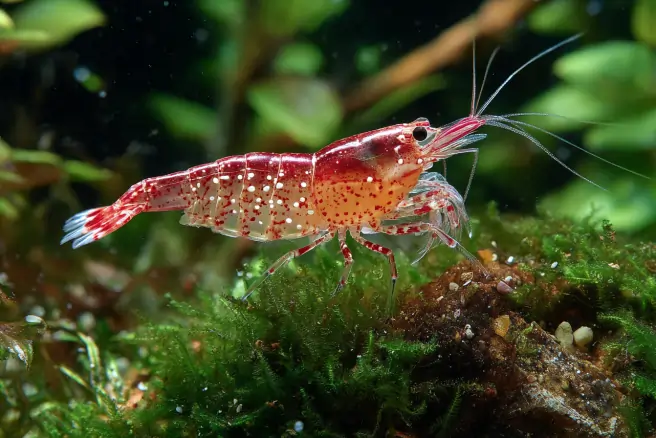
Freshwater shrimp are fascinating creatures that require a balanced diet to thrive. A proper understanding of their nutritional needs is essential to maintain their health, vibrant colors, and overall well-being. This section outlines the key dietary components and feeding practices necessary for freshwater shrimp in aquariums.
Essential Components of a Balanced Diet
- Proteins: Vital for growth and development. Proteins can be sourced from specialized shrimp pellets or natural foods like earthworms or insect larvae.
- Vitamins and Minerals: Crucial for immunity, molting, and shell formation. These nutrients can often be obtained through plant matter or high-quality commercial feeds enriched with minerals such as calcium.
- Algae and Biofilm: A staple for many freshwater shrimp species. Algae provide not only food but also an enrichment activity as the shrimp forage throughout the tank.
- Carbohydrates: Although required in smaller quantities, they play an important role in providing energy to active shrimp species. Vegetables such as spinach or zucchini are excellent sources of healthy carbohydrates.
Ideal Foods for Freshwater Shrimp
| Food Type | Example | Benefits | Feeding Frequency |
| Natural Plant Matter | Indian almond leaves, spinach | Rich in minerals; aids digestion | 2-3 times per week |
| Algae | Tank-grown algae | Primary nutrient source | Continuous access |
| Commercial Shrimp Feed | Specialized pellets or wafers | Balanced nutrition; easy feeding | Daily |
| Protein Supplement | Blanched peas, bloodworms | Boosts growth | Weekly |
https://splashyfishstore.com/collections/freshwater-shrimp-for-sale/
Feeding Best Practices
- Feed Small Quantities: Overfeeding can lead to water quality issues due to uneaten food decomposing in the tank.
- Observe Behavior: Only provide enough food that your shrimp can consume within 2–3 hours.
- Rotate Food Types: Regularly switch between different types of foods (e.g., algae, plant matter, protein-based feeds) to ensure dietary diversity.
- Avoid Harmful Ingredients: Stay away from foods containing copper sulfate or other harmful additives that may negatively affect your shrimp’s health.
Nutritional Adjustments During Molting
- Increase calcium-rich foods like cuttlebone shavings or spinach to support new shell formation.
- Reduce stress by keeping water parameters stable as fluctuating conditions can make molting more difficult.
By understanding the dietary insights discussed here, you can create an environment where freshwater shrimp remain healthy and active while showcasing their vibrant appearance in your aquarium setting.
Aquarium Shrimp: Top Three Algae-Eating Champions for Freshwater Tanks
Algae is an inevitable part of any freshwater aquarium ecosystem, and while it serves certain ecological functions, excessive growth can disrupt the balance and aesthetics of your aquarium. Algae-eating shrimp are exceptional natural cleaners that help control algae levels while adding charm to your tank. Let’s explore the top three algae-eating shrimp species that are most effective and sought-after by aquarists.
1. Amano Shrimp (Caridina multidentata)
Amano shrimp are among the most popular algae eaters due to their efficiency and adaptability. These shrimp thrive in a variety of water conditions and are widely recognized for their ability to consume stubborn algae types.
Key Traits: – Size: Typically grow up to 2 inches. – Tank Size Requirements: Minimum 10 gallons. – Dietary Preferences: – Hair algae – String algae – Uneaten fish food – Behavior: Peaceful, making them excellent tank mates for other non-aggressive species.
2. Cherry Shrimp (Neocaridina davidi)
Cherry shrimp are renowned for their vibrant red coloration, but they also contribute significantly as algae eaters in freshwater aquariums. While their preferences lean towards softer biofilm and certain types of algae, they can still make an impact on maintaining a clean environment.
Key Traits: – Size: Around 1–1.5 inches. – Tank Size Requirements: Minimum 5 gallons. – Dietary Preferences: – Green spot algae – Biofilm on surfaces – Decaying plant matter – Behavior: Hardy and adaptable; excellent for beginner aquarists.
Note: Cherry shrimp come in various color morphs (blue, yellow, orange), but red is the most common variety.
3. Bamboo Shrimp (Atyopsis moluccensis)
Unlike Amano or cherry shrimp, bamboo shrimp rely on filter feeding to collect small particles suspended in the water column. Although not traditional “algae grazers,” they indirectly contribute to water cleanliness by reducing excess organic debris that feeds algal blooms.
Key Traits: – Size: Up to 3–4 inches (larger than most freshwater shrimp species). – Tank Size Requirements: Minimum 20 gallons with a strong water flow. – Dietary Preferences: – Microscopic plankton – Fine detritus – Supplemental powdered foods (in low-flow tanks) – Behavior: Fascinating filter feeders that use fan-like appendages to capture food particles in flowing water.
Where to Find Live Shrimp for Sale and Algae-Eating Shrimp Compared
| Species | Maximum Size | Minimum Tank Size | Primary Diet | Temperament |
| Amano Shrimp | Up to 2″ | 10 gallons | Hair/string algae | Peaceful |
| Cherry Shrimp | Up to 1.5″ | 5 gallons | Green spot algae | Hardy |
| Bamboo Shrimp | Up to 4″ | 20 gallons | Micro-particles | Gentle giants |
Essential Tips for Keeping Neocaridina Shrimp Healthy
- Maintain stable water parameters:
- pH levels between 6.5–7.8 (species-specific adjustments may apply).
- Temperatures ranging from 70–78°F.
- Provide hiding places such as plants or rocks for security during molting periods.
- Avoid using copper-based medications, as copper is toxic to all shrimp species.
- Offer supplemental food if natural resources become scarce:
- Blanched vegetables (e.g., zucchini or spinach)
- Specialized sinking pellets designed for shrimps.
Each of these remarkable species brings unique strengths when it comes to managing unwanted algae growth in freshwater tanks while enhancing biodiversity and visual appeal within the aquarium ecosystem.
How Indian Almond Leaves Benefit Caridina Shrimp in Freshwater Aquariums
Indian almond leaves, also known as catappa leaves, serve as a vital resource for maintaining healthy freshwater shrimp aquariums. These natural additions to shrimp tanks provide multiple benefits, ranging from water conditioning to nutritional support. Below is a detailed overview of why Indian almond leaves are indispensable for freshwater shrimp enthusiasts.
Key Benefits of Indian Almond Leaves
- Indian almond leaves release tannins into the water, which lower pH levels and create slightly acidic conditions preferred by many freshwater shrimp species.
- The tannins also have antibacterial and antifungal properties that help protect shrimp against infections.
- As the leaves break down in the aquarium, they provide hiding places for shy or juvenile shrimp.
- The structure of decomposing leaves mimics natural environments, reducing stress levels among shrimp.
- Microorganisms such as biofilm and fungi grow on decomposing almond leaves, serving as an excellent supplementary food source for freshwater shrimp.
- Certain leaf compounds may also contain trace nutrients beneficial to their health.
- Adding Indian almond leaves lends a naturalistic appearance to aquariums.
- They contribute to a more balanced ecosystem by encouraging biodiversity within the tank.
How to Use Indian Almond Leaves in Shrimp Tanks
- Rinse the almond leaves thoroughly with clean water before introducing them to the tank.
- Add 1-2 leaves per 10 gallons of water or adjust based on your tank size and pH requirements.
- Monitor their decomposition rate; replace old or fully decayed leaves every 3-4 weeks.
Comparison of Benefits vs Other Natural Substrates
| Feature | Indian Almond Leaves | Banana Leaves | Oak Leaves |
| Tannin Release | High | Moderate | Low |
| Antibacterial Properties | Strong | Moderate | Weak |
| Biofilm Growth Support | Excellent | Good | Moderate |
| Decomposition Rate | Slow-Medium | Medium | Medium-Fast |
Indian almond leaves outperform many other natural substrates due to their robust range of benefits and slower decomposition process.
Tips for Maximizing Effectiveness
- Combine Indian almond leaves with other botanicals like cholla wood or alder cones for enhanced biofilm production.
- Avoid overcrowding your aquarium with excessive leaf litter; this could result in deteriorating water quality if not managed properly.
- Select high-quality, pesticide-free dried almond leaves from reputable sources.
By incorporating Indian almond leaves into your freshwater aquarium care routine, you not only promote the well-being of your shrimp but also create a closer replica of their natural habitats. Their multifunctional properties make them an invaluable tool in maintaining healthy and thriving aquatic environments.
Understanding Dwarf Shrimp Digestive Systems and Their Unique Functionality
Dwarf shrimp, often adored for their vibrant colors and active behavior, have fascinating and specialized digestive systems that allow them to thrive in freshwater ecosystems. Understanding how their digestive systems function can help shrimp keepers optimize their care routines, ensuring the health and longevity of these delicate creatures.
Anatomy of the Digestive System
- Mouthparts: Equipped with mandibles for breaking down food into smaller pieces before ingestion.
- Esophagus: A short tube that transports food from the mouth to the stomach.
- Stomach (Cardiac and Pyloric Regions): The cardiac stomach grinds food particles mechanically using a gastric mill, while the pyloric region filters digested material.
- Hepatopancreas: Functions similarly to a liver-pancreas combination in other animals, producing enzymes necessary for digestion while also storing nutrients. This organ plays a central role in nutrient absorption and metabolism.
- Intestine: A narrow tube responsible for further digestion and absorption of nutrients before waste is expelled through the anus located beneath the telson.
Unique Traits of Dwarf Shrimp Digestion
- Continuous Feeding Behavior
Dwarf shrimp constantly graze on biofilm, algae, and detritus within their environment. Their digestive system supports this behavior by processing small amounts of food continuously rather than requiring large meals at specific intervals like many fish species do. - Gastric Mill Adaptation
The gastric mill within their cardiac stomach allows efficient breakdown of tough plant material or uneaten fish food, offering them versatility in their diet. - High Efficiency with Nutrient Absorption
With limited storage capacity in their hepatopancreas, dwarf shrimp require nutrient-rich diets supplemented by natural biofilm growth or specialized shrimp foods to maintain energy levels.
Dietary Considerations for Healthy Digestion
- Natural Grazing Opportunities: Promote biofilm growth by allowing surfaces like driftwood or rocks to establish algae colonies naturally.
- Supplemental Feeding: Offer high-quality commercial shrimp pellets or powders containing spirulina, vegetables (zucchini or spinach), and protein sources like krill or fishmeal.
- Leaf Litter Addition: Leaves such as Indian almond leaves not only improve water quality but also provide microbial growth consumed during grazing.
- Avoid Overfeeding: Remove uneaten food promptly to prevent water contamination since dwarf shrimp are sensitive to poor water conditions.
| Component | Function |
| Mouthparts | Break down food into smaller pieces |
| Hepatopancreas | Produces enzymes; stores nutrients |
| Gastric Mill | Mechanically grinds tough food material |
| Intestine | Absorbs nutrients; expels waste |
Observing Digestive Health
- Active grazing suggests healthy feeding habits.
- Pale coloration or lethargy may signal malnutrition or poor diet.
- Visible undigested fragments in waste could indicate inadequate grinding by the gastric mill.
By understanding these unique aspects of dwarf shrimp digestion, aquarists can create an environment conducive to both health and vitality for these aquatic creatures.
How to Enhance the Vibrancy of Red Freshwater Shrimp Through Proper Care
Maintaining the vibrant coloration of red freshwater shrimp, such as Cherry Shrimp and Red Crystal Shrimp, is a key goal for many aquarists. Their bright hues not only indicate good health but also contribute to the aesthetic appeal of a freshwater aquarium. To ensure their colors remain striking, several factors must be addressed, including diet, water quality, tank setup, and general care.
1. Optimize Diet for Color Enhancement
Nutrition plays an essential role in enhancing and maintaining the vibrancy of red freshwater shrimp. A balanced and high-quality diet can significantly influence their coloration.
- Astaxanthin: A carotenoid that boosts red pigmentation.
- Beta-Carotene: Converts into Vitamin A and supports color enhancement.
- Spirulina: A blue-green algae rich in carotenoids.
- Essential Vitamins & Minerals: Promote overall health and accentuate natural colors.
- Commercial shrimp pellets enriched with astaxanthin.
- Blanched vegetables (e.g., spinach, zucchini).
- Algae wafers specifically formulated for shrimp.
- Natural protein sources like bloodworms or daphnia (in moderation).
2. Maintain Optimal Water Quality
Water quality is critical to prevent stress in red freshwater shrimp, which can dull their coloration over time. Poor water conditions often lead to faded or less vibrant colors.
| Parameter | Ideal Range |
| Temperature | 72–78°F (22–26°C) |
| pH Level | 6.5–8.0 |
| Ammonia & Nitrite | Undetectable (0 ppm) |
| Nitrate | <20 ppm |
| General Hardness (GH) | ~4–8 dGH |
- Perform regular water changes (about 10%-20% weekly).
- Use a high-quality filtration system to minimize toxins.
3. Provide an Enriching Tank Environment
The physical environment of your aquarium plays a significant role in promoting healthy pigmentation in red freshwater shrimp.
- Add live plants like Java Moss or Anubias that provide natural grazing surfaces and hiding spots.
- Include dark-colored substrates to contrast with the shrimp’s vibrant reds and make their coloration more visually pronounced.
- Avoid stress-inducing tankmates such as aggressive fish species.
4. Reduce Stress Levels
- Ensure adequate hiding spaces using driftwood or caves.
- Keep tank disturbances low by maintaining consistent light cycles and avoiding sudden movements.
- Avoid overcrowding the aquarium; maintain appropriate stocking levels to give each shrimp sufficient space.
Final Thoughts on Care Practices
By focusing on proper nutrition, consistent water parameters, thoughtful tank design, and reducing stressors within the environment, you can enhance and maintain the brilliant red hues of your freshwater shrimp. These practices not only contribute to their beauty but also ensure they stay healthy and thrive in your aquarium ecosystem.
- Freshwater Shrimp for Sale: Key Dietary Insights and Nutrition Tips
- Top Reasons to Buy Freshwater Shrimp for Sale and Start Your Aquarium
- Expert Tips for Setting Up a Freshwater Aquarium with Live Shrimp for Sale
- Freshwater Shrimp for Sale: What They Eat in Their Natural Habitat and Aquariums
- Complete Guide to Aquarium Shrimp and Hatching Baby Brine Shrimp for Freshwater Tanks
- Essential Facts About Neocaridina Shrimp and How They Differ from Caridina in Freshwater Aquariums
- Freshwater Shrimp for Sale: Cherry Shrimp Neocaridina and Care Guide
- Top Aquarium Shrimp Tank Mates and Tips for Choosing Compatible Species


